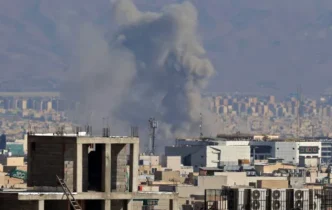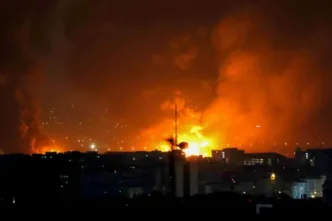

As explosions rocked Dubai and Kuwait, African migrants like Marion Kuria were faced with a daunting dilemma: to stay or leave. The 36-year-old Kenyan, who has spent seven years in Dubai’s retail sector, felt the shock of the blasts in her spine. Despite the anxiety, she went back to work, driven by the need for income and with few alternatives to turn to.
The Gulf region has been a hub for African migrants seeking better job opportunities. With salaries that far outstrip what they could earn back home, many have taken jobs in hotels, restaurants, and the security sector. However, with the recent escalation of violence, many are now faced with the harsh reality of their situation.
African Migrants in the Gulf
According to a 2022 census, around 715,000 sub-Saharan Africans are in Saudi Arabia alone, making up more than five percent of the kingdom’s foreign population. A 2024 study by the Gulf Research Center noted that little is known about the true scale of sub-Saharan migration to the Gulf, but growing African communities are now visible in the UAE, Qatar, Kuwait, and Bahrain.
Reasons to Stay
For many African migrants, the decision to stay or leave is not an easy one. With limited job opportunities back home, many feel that they have no choice but to stay and continue working in the Gulf. Arnold Keumoe Tchimmoe, a 34-year-old Cameroonian restaurant supervisor, has spent 11 years in Dubai and feels that his family is better off in the UAE than in Cameroon.
Here are some reasons why African migrants may choose to stay in the Gulf:
- Higher salaries than what they could earn back home
- Access to better job opportunities
- Ability to send remittances back home to support their families
Kenya’s foreign ministry has stated that more than 500,000 of its nationals live and work across the Middle East, with many sending home vital remittances. For now, Nairobi says most are remaining in the region, continuing with their daily activities despite the ongoing violence.
Unlike European governments, which have chartered evacuation flights, African workers say the decision to stay or leave has been left to them. As the situation continues to unfold, it remains to be seen how many will choose to stay or leave the Gulf.
For more information on the situation in the Gulf, visit the BBC News website. You can also follow the latest updates on the Al Jazeera website.