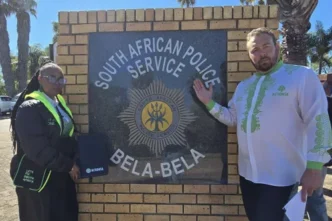
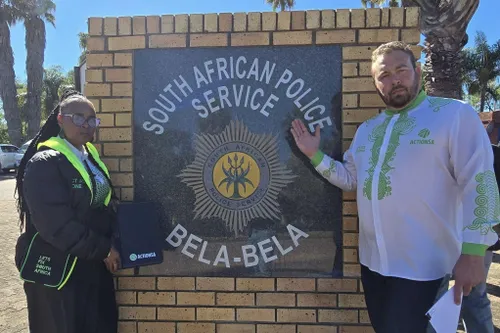
ActionSA has laid criminal charges against President Cyril Ramaphosa over the Phala Phala farm scandal, alleging that he lied about the amount of money stolen from his Limpopo farm in 2020. The party believes that the time has come for Ramaphosa to account for the scandal and has filed charges at the Bela Bela police station in Limpopo.
According to recent media reports, the amount stolen totalled R15 million, and not R10 million as previously stated. The party’s national spokesperson, Lerato Ngobeni, said that the charges relate to the alleged contravention of Section 34(1)(b) of the Prevention and Combating of Corrupt Activities Act 12 of 2004 (PRECCA), perjury, and fraud.
Phala Phala Scandal Background
The Phala Phala scandal has been a subject of controversy in South Africa, with many questioning the president’s handling of the matter. The scandal involves the alleged theft of a large amount of cash from Ramaphosa’s farm in 2020. The president has been accused of not reporting the incident to the authorities and instead, allegedly using his presidential powers to cover up the scandal.
Key Concerns
Some of the key concerns raised by ActionSA include the alleged concealment and under-disclosure of the true amount of money stolen during the burglary at Ramaphosa’s farm. The party notes that cash flow analyses conducted by the National Prosecuting Authority (NPA) on one of the accused implicated in the Phala Phala burglary have already raised questions regarding the true extent of the funds involved.
- Alleged contravention of Section 34(1)(b) of PRECCA
- Perjury and fraud
- Concealment and under-disclosure of the true amount of money stolen
As stated on the South African Government website, Section 34 of PRECCA imposes a clear legal obligation on persons in positions of authority to report corruption and related offences involving amounts above the prescribed threshold. Any deliberate failure to accurately disclose material information relating to such offences raises serious legal and constitutional concerns.
According to Ngobeni, should similar analyses be conducted in respect of the remaining accused, South Africans may well be confronted with an even more disturbing picture regarding the scale of the funds connected to the matter and the transactions surrounding it. For more information on the Prevention and Combating of Corrupt Activities Act, visit the Department of Justice and Constitutional Development website.