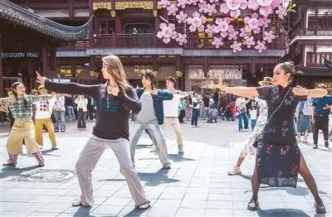
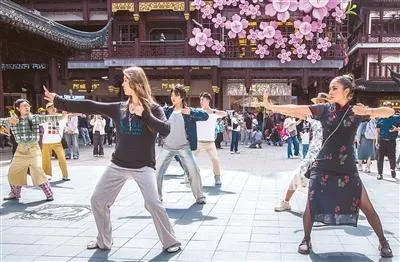
China’s inbound tourism has seen a significant surge since the beginning of this year, with a growing number of international visitors arriving with a specific aim: to experience the country’s intangible cultural heritage (ICH) firsthand. According to the UNESCO definition, ICH refers to the practices, representations, expressions, as well as the knowledge and skills that communities, groups and, in some cases, individuals recognise as part of their cultural heritage.
What is Intangible Cultural Heritage?
ICH is an important aspect of a country’s cultural identity, and it includes traditions such as music, dance, theatre, and crafts. In China, ICH has become a major draw for foreign visitors, with many travellers seeking to experience the country’s rich cultural heritage. This has led to a 40% rise in tourism, with many visitors attending festivals and events that showcase China’s ICH.
Types of Intangible Cultural Heritage
There are many different types of ICH, including:
- Oral traditions and expressions
- Performing arts
- Social practices, rituals and festive events
- Knowledge and practices concerning nature and the universe
- Traditional craftsmanship
For example, the Chinese calligraphy is a highly valued form of ICH, with many visitors attending workshops and classes to learn this traditional art form. Similarly, the Chinese New Year celebrations are an important part of the country’s ICH, with many visitors attending festivals and events to experience the colourful costumes, music, and dance.
The rise in ICH tourism has also had a positive impact on local communities, with many small businesses and artisans benefiting from the increased demand for traditional crafts and cultural experiences. As the demand for ICH tourism continues to grow, it is likely that we will see even more innovative and creative ways for visitors to experience and engage with China’s rich cultural heritage.