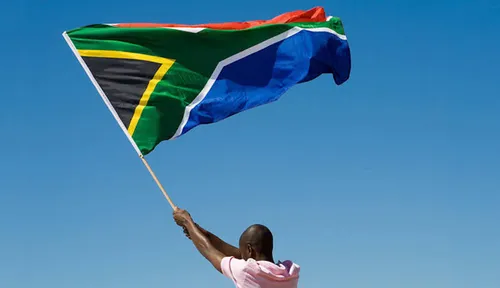
As South Africa celebrates 28 years of democracy, award-winning poet Bulelwa Basse reflects on the transformative power of art and music in the country’s journey from apartheid to freedom. The legacy of Nelson Mandela and other anti-apartheid activists continues to inspire a new generation of South Africans, with many using their talents to promote unity and remembrance.
The Role of Art in SA History
From the iconic songs of Miriam Makeba to the powerful poetry of Ingrid de Kok, art has played a significant role in shaping South Africa’s history. According to the South African History Online website, music and art were used as forms of resistance against the apartheid regime, with many artists using their work to speak out against injustice and promote equality.
Today, South African artists continue to use their talents to promote social change and celebrate the country’s diverse culture. As Bulelwa Basse notes, “Art has the power to bring people together and inspire positive change.” With the country still grappling with issues of inequality and social injustice, the role of art in promoting unity and remembrance is more important than ever.
Key Milestones in SA Democracy
Some key milestones in South Africa’s journey to democracy include:
- The Sharpeville massacre in 1960, which marked a turning point in the anti-apartheid movement
- The Soweto uprising in 1976, which saw thousands of students take to the streets to protest against the imposition of Afrikaans as a language of instruction
- The release of Nelson Mandela from prison in 1990, which marked the beginning of the end of apartheid
- The country’s first democratic elections in 1994, which saw Mandela become the first black president of South Africa
As South Africans celebrate Freedom Day, they are reminded of the sacrifices made by those who fought for democracy and equality. As the country continues to navigate the challenges of the present, it is clear that the legacy of the past will continue to shape its future.