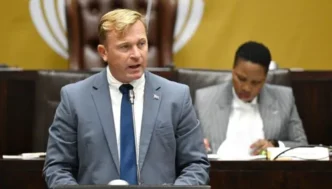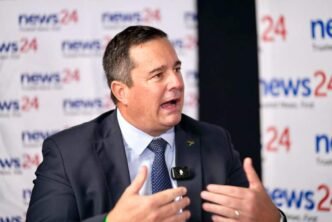
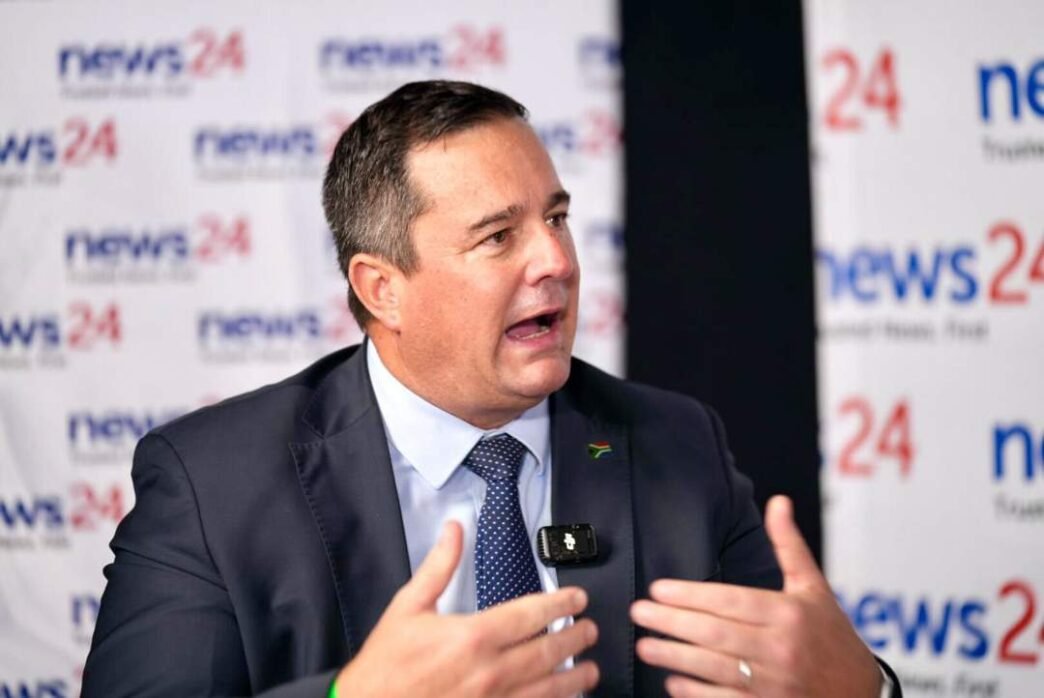
Agriculture Minister John Steenhuisen has defended the Democratic Alliance’s (DA) practice of paying party leaders a monthly stipend, arguing that political party duties cannot be treated as ‘work’ or ’employment’ outside of Parliament. This comes as the party continues to grapple with the fallout from a leaked report showing that Steenhuisen and other leaders were paid monthly stipends in addition to their state salaries.
According to Steenhuisen, the stipend is a ‘party allowance’ and not a salary, as it is meant to cover expenses related to party duties. He further argued that the allowance is not subject to tax, as it is not considered income. However, this explanation has raised more questions than answers, with many calling for greater transparency and accountability within the party.
What is a Party Allowance?
A party allowance is a payment made to politicians to cover expenses related to their party duties. This can include things like travel, accommodation, and other expenses incurred while performing party-related tasks. However, the fact that the DA’s leaders were paid a monthly stipend in addition to their state salaries has raised concerns about the potential for abuse of power and corruption.
Key Issues Surrounding the Scandal
Some of the key issues surrounding the scandal include:
- The lack of transparency and accountability within the party
- The potential for abuse of power and corruption
- The fact that the stipend is not subject to tax, raising questions about its legitimacy
- The impact on the party’s reputation and public trust
As the South African government continues to grapple with issues of corruption and transparency, the DA’s stipend scandal has raised important questions about the role of political parties in the country’s democracy. According to the Wikipedia page on South African politics, the country’s political system is based on a mixed-member proportional representation system, which can sometimes lead to conflicts of interest and corruption.