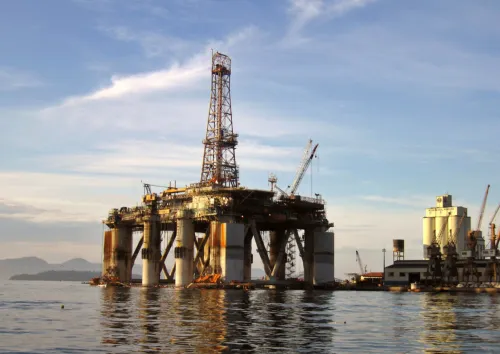
In a landmark ruling, the Supreme Court of Appeal has set the stage for a critical hearing that could redefine the landscape of offshore drilling in South Africa, raising pivotal questions about governance, accountability, and environmental justice. The case, which affects the livelihoods of many coastal communities, has sparked intense debate and speculation about the future of the oil and gas industry in the country.
At the heart of the matter is an appeal by Shell against a decision by the Department of Mineral Resources and Energy to allow the company to conduct seismic surveys off the coast of South Africa. The surveys, which involve the use of airguns to map the seafloor, have been opposed by environmental groups and local communities, who argue that they could harm marine life and disrupt the fishing industry. According to the Department of Environment, Forestry and Fisheries, the surveys could have significant impacts on the marine ecosystem.
What’s at Stake?
The outcome of the appeal could have far-reaching implications for the oil and gas industry in South Africa, as well as for the environment and local communities. If the appeal is successful, it could pave the way for further offshore drilling and exploration, which could lead to increased economic activity and job creation. However, it could also lead to increased environmental risks and negative impacts on local communities. As noted by the South African National Biodiversity Institute, the country’s marine ecosystem is highly diverse and sensitive to human activities.
Key Issues
Some of the key issues that will be considered during the hearing include:
- The potential environmental impacts of offshore drilling and seismic surveys
- The rights of local communities to participate in decision-making processes related to the oil and gas industry
- The role of government in regulating the industry and ensuring that it operates in a responsible and sustainable manner
As the case progresses, it is likely to attract significant attention and interest from a wide range of stakeholders, including environmental groups, local communities, and industry representatives. The outcome will have important implications for the future of the oil and gas industry in South Africa, and will help to shape the country’s approach to environmental governance and sustainability.