


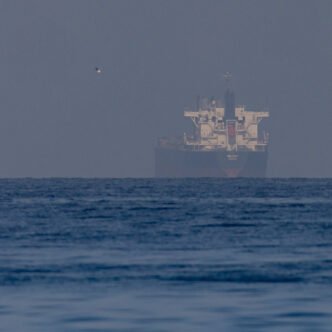
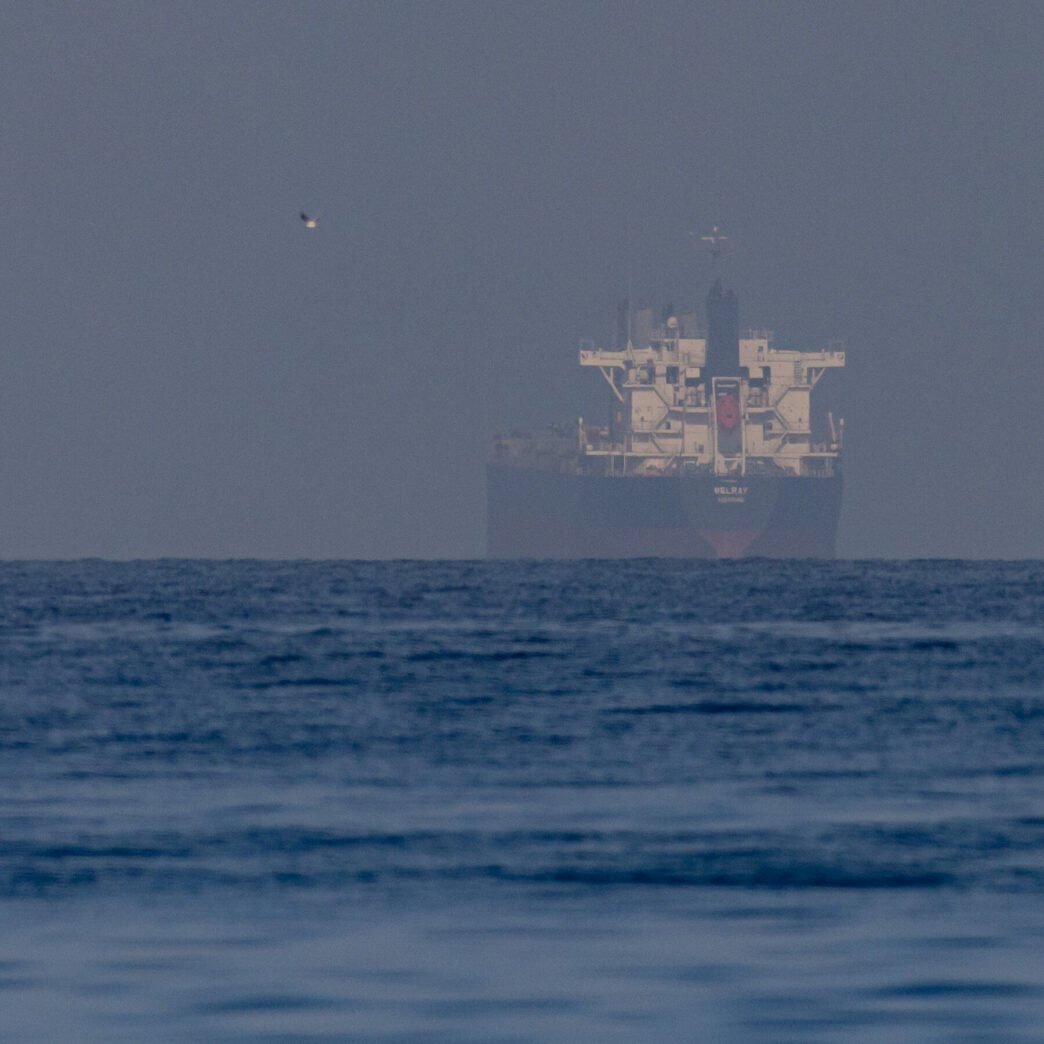
The United States Navy has successfully crossed the Strait of Hormuz with a fleet of warships, according to a statement from the US Department of Defense, as tensions between the US and Iran continue to escalate. This move is seen as a strategic effort to clear mines and ensure the safe passage of oil tankers, with the US Department of State closely monitoring the situation.
The Strait of Hormuz is a critical waterway, with over 20% of the world’s oil passing through it, making it a vital chokepoint for global energy supplies. The US Navy’s presence in the region is aimed at safeguarding the free flow of oil and preventing any disruptions that could impact the global economy.
Hormuz Strait Tensions
Iran has denied that the American destroyers had entered the strait, as negotiations for an extended cease-fire continued in Islamabad. The Iranian government has been engaged in talks with other nations to resolve the ongoing tensions in the region, with the United Nations playing a key role in facilitating the discussions.
Potential Impact on Oil Prices
The current tensions in the region have already led to a 5% increase in global oil prices, with the potential for further rises if the situation escalates. This could have significant implications for South African consumers, who may face higher petrol prices in the coming weeks. Some of the key factors that could influence oil prices include:
- Geopolitical tensions in the Middle East
- Global demand for oil
- Production levels of major oil-producing countries
As the situation continues to unfold, it is essential for South Africans to stay informed about the potential impact on the local economy and take steps to mitigate any adverse effects.


