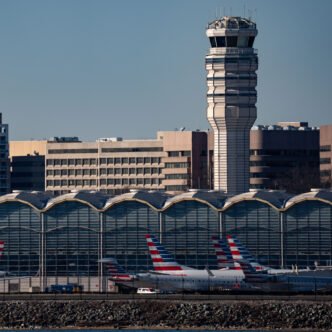

Air traffic control faces a significant shortage, with the Federal Aviation Administration (FAA) struggling to fill over 1,000 positions. In a bid to address this issue, the FAA has turned to an unlikely demographic: avid video gamers. According to the Federal Aviation Administration, gamers’ strong hand-eye coordination, multitasking abilities, and quick decision-making skills make them ideal candidates for air traffic control roles.
Air Traffic Control Shortage
The shortage of air traffic controllers has been a pressing concern for the aviation industry, with the FAA estimating a 12% shortage of controllers nationwide. This has resulted in increased workload and stress for existing controllers, which can compromise the safety of air travel. The FAA has been working to address this issue, and the recruitment of gamers is part of a larger effort to attract new talent to the field.
The use of video games as a recruitment tool is not unique to the FAA. Other federal agencies, such as the Department of Homeland Security, have also used gaming to identify and recruit potential candidates. This approach has been successful in attracting a new generation of workers who are familiar with the skills required for air traffic control and other complex, high-stress roles.
Benefits of Gamers in Air Traffic Control
There are several benefits to recruiting gamers for air traffic control roles. These include:
- Improved hand-eye coordination and reaction time
- Enhanced multitasking abilities
- Strong decision-making skills
- Familiarity with complex systems and technology
These skills are essential for air traffic controllers, who must be able to quickly and accurately process information, make decisions, and respond to changing situations. By recruiting gamers, the FAA can tap into a pool of talented individuals who already possess many of the skills required for success in this field.
While the recruitment of gamers is a positive step, it is only part of the solution to the air traffic control shortage. The FAA must also continue to work to improve working conditions, reduce stress, and provide opportunities for professional development and advancement. By addressing these issues, the FAA can attract and retain the best talent in the industry and ensure the continued safety and efficiency of air travel.