A high-stakes legal battle is unfolding in South Africa’s energy sector, as Mulilo has taken Eskom to court over the reallocation of grid connection capacity to Scatec projects. This dispute highlights the growing competition among renewable energy developers for limited grid access, a critical component of the country’s energy transition.
The case has significant implications for the future of South Africa’s energy landscape, as the government seeks to integrate more renewable energy sources into the grid. According to the Department of Mineral Resources and Energy, the country aims to generate 42% of its electricity from renewable sources by 2030.
Grid Connection Capacity: A Scarce Resource
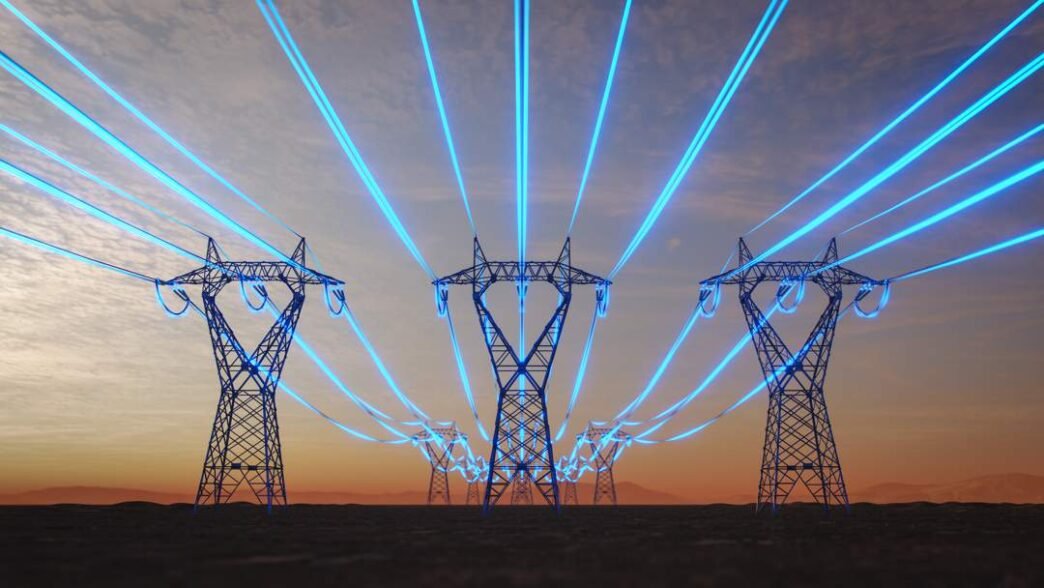
The shortage of grid connection capacity is a major bottleneck in the development of new renewable energy projects. With many developers vying for a limited number of connection points, the competition for access has become increasingly fierce. This has led to a surge in legal disputes, as companies seek to protect their investments and ensure a stable supply of electricity to the grid.
Key Players and Projects
Mulilo and Scatec are two of the key players in South Africa’s renewable energy sector. Mulilo has developed several large-scale solar and wind projects, while Scatec has invested heavily in solar energy. The reallocation of grid connection capacity from Mulilo to Scatec projects has sparked the current dispute, with Mulilo arguing that the decision was unfair and could jeopardize its own projects.
The following are some of the key issues at stake in the dispute:
- Grid connection capacity: The limited availability of connection points is a major constraint on the development of new renewable energy projects.
- Renewable energy targets: The South African government’s ambitious targets for renewable energy generation have created a surge in demand for grid connection capacity.
- Investment and jobs: The development of new renewable energy projects has the potential to create thousands of jobs and attract significant investment into the economy.
As the legal battle between Mulilo and Eskom continues, it is clear that the outcome will have far-reaching implications for South Africa’s energy sector. The case highlights the need for a more efficient and transparent system for allocating grid connection capacity, in order to support the growth of renewable energy and reduce the country’s reliance on fossil fuels.