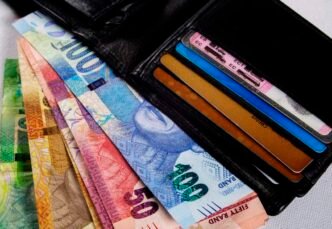
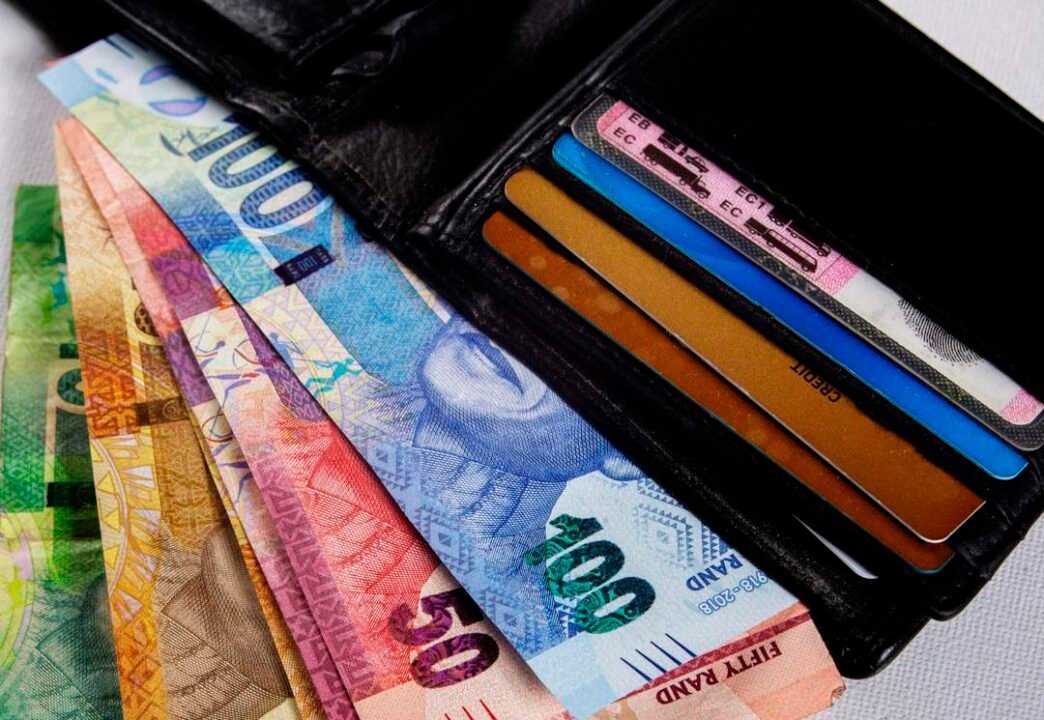
The rand has breached R17/$ on Thursday amid a renewed surge in oil prices after attacks on key energy facilities in the Gulf, sparking concerns about South Africa’s economic outlook. The rand has been one of the worst-performing currencies since the start of the Iran war, weakening from below R15.90/$ at the end of February to R17.07 on Thursday afternoon – a level not seen since November 2025.
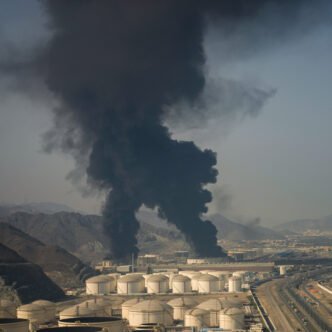
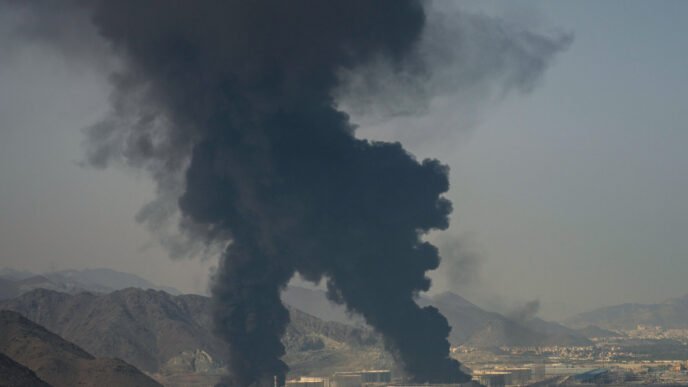
Spooked investors are fleeing to the dollar as a safe haven in uncertain times. Israel hit Iran’s giant South Pars gas field on Wednesday, with Iran striking back with attacks on the world’s largest liquefied natural gas export plant in Qatar, as well as a facility in Abu Dhabi. It pledged to attack more energy sites in the Gulf.
Oil Price Impact on SA
This triggered a 5% jump in the Brent oil prices, pushing it past $112 a barrel on Thursday morning. High oil prices have fuelled fears about inflation, which will weaken economic growth across the world. Countries which are dependent on fuel imports, like South Africa, are particularly vulnerable. According to the Statistics South Africa website, the country’s inflation rate has been steadily increasing over the past year.
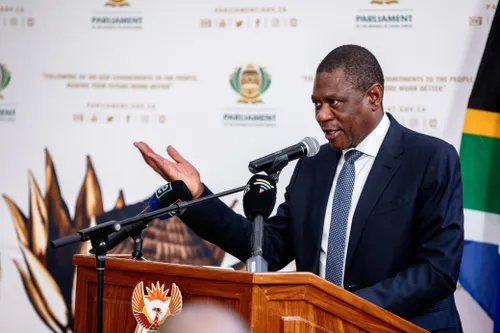
Investec chief economist Annabel Bishop says the fact that the US Federal Reserve’s open market committee left its interest rate unchanged on Wednesday was dollar-positive. Financial markets have now ruled out any chance of US interest rate cuts in 2026. “In South Africa, markets have factored out expectations of interest rate cuts too this year, and indeed are starting to price in hikes instead (two 25 basis point lifts), on hefty fuel price increases, although the monetary policy committee (MPC) is expected to look through the fuel price shock.”
Fuel Price Increases
The surging oil price, combined with a much weaker rand, will result in record fuel price hikes at the start of April. According to the latest estimates from the Central Energy Fund, wholesale diesel prices are set to increase by more than R7.80 a litre on 1 April, with 95 unleaded petrol due for a R4.70 hike. Illuminating paraffin may be increased by almost R10. Including the planned 21c per litre increase in levies, petrol may become almost R5 more expensive and diesel about R8.
Some of the key factors contributing to the fuel price increases include:
- Weak rand
- High oil prices
- Increased levies
Bishop expects the price jump could add around 1% month-on-month to South Africa’s inflation rate in April. But Nolan Wapenaar, co-chief investment officer and head of fixed income at Anchor Capital, says that while the current environment may prove uncomfortable, it does not yet resemble a systemic crisis.
For more information on the current oil prices and their impact on the global economy, visit the International Energy Agency website.