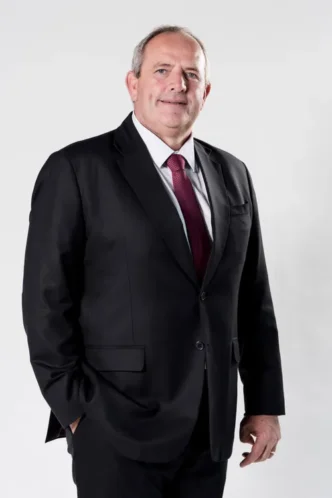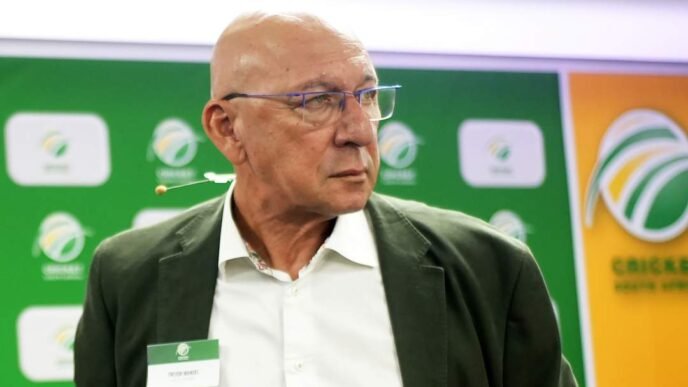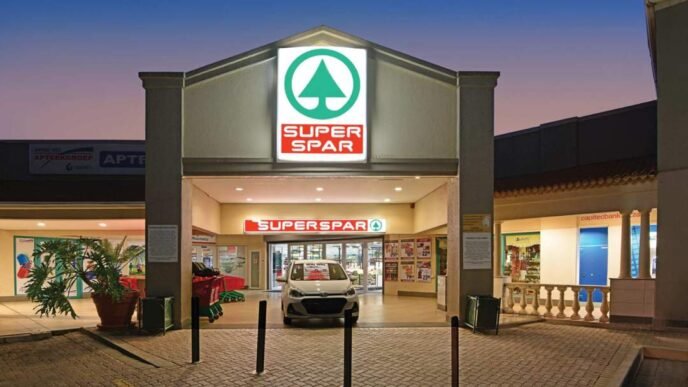

Shareholders of SPAR have expressed their discontent with the R9.5 million payout to the company’s outgoing CEO, Mark Godfrey, with 61% voting against the remuneration policy at the recent annual general meeting. According to the Institute of Directors in South Africa (IoDSA), this backlash signals a growing willingness among investors to challenge executive pay.
Executive Pay Under Scrutiny
The IoDSA’s Remuneration Committee Forum member, Ray Harraway, stated that the dissent likely stems from the ‘lump sum payment’ of R9.5 million paid to Godfrey, who retired as SPAR’s CFO at the end of 2024. Harraway added that this backlash means shareholders are paying attention and using their voice to show discontent.
Meanwhile, SPAR has begun implementing a living wage for employees at its central office and distribution centres, with the first phase introducing a living wage of R12,500 per month from January 2026, rising to R15,000 per month in January 2027. This move is part of the company’s commitment to improving overall employee well-being and addressing income inequality in a fair and responsible manner, as stated on the Institute of Directors in South Africa website.
CEO Salaries in South Africa
The issue of executive pay is not unique to SPAR, with many CEOs in South Africa earning substantial salaries. According to the South African Reserve Bank, the country’s highest paid CEOs include Mike Henry from BHP Billiton, who tops the list with a salary that could buy a brand-new luxury car every single day. Other notable CEOs include Bob van Dijk, who earned a reported R330 million before leaving Naspers in 2023, and Gerrie Fourie, who earned around R104 million in his final year as Capitec’s CEO.
Here are some key points to consider:
- SPAR’s remuneration policy does not seem to cater for exit payments, according to Harraway.
- The remuneration report does not explain the rationale for the R9.5 million payment to Godfrey.
- No performance bonus was paid to the outgoing CFO, not even a pro-rated one.
The shareholder backlash against SPAR’s remuneration policy serves as a reminder that investors are increasingly holding companies accountable for their executive pay practices.