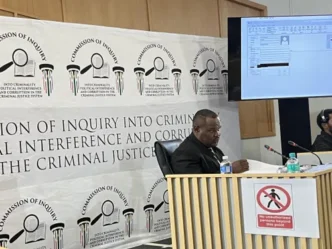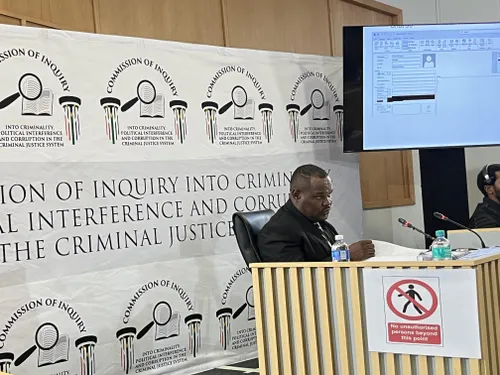

Retired Justice Sisi Khampepe is at the centre of a misconduct storm in the ongoing court case involving former president Jacob Zuma, sparking concerns about the integrity of the Judicial Commission of Inquiry. The allegations have raised questions about Khampepe’s role in the commission and potential bias in the investigation.
Background of the Case
The case, which involves Zuma and former president Thabo Mbeki, has been ongoing for several years, with various twists and turns. The latest development has brought Khampepe’s conduct under scrutiny, with some calling for her to be held accountable for any wrongdoing. According to the Department of Justice and Constitutional Development, the Judicial Commission of Inquiry is responsible for investigating and reporting on matters of public interest.
The allegations against Khampepe are detailed and far-reaching, with some accusing her of improper conduct during the investigation. The claims have been met with a mixture of shock and outrage, with many calling for a full investigation into the matter. Judicial Commissions of Inquiry are established to investigate matters of public interest, and any allegations of misconduct must be taken seriously.
Implications for the Judicial System
The allegations against Khampepe have significant implications for the judicial system as a whole. If proven, they could undermine the integrity of the Judicial Commission of Inquiry and damage public trust in the institution. The following are some potential consequences of the allegations:
- Loss of public trust in the judicial system
- Damage to the reputation of the Judicial Commission of Inquiry
- Potential for biased investigations and outcomes
The case is a complex one, with many different factors at play. As the investigation continues, it is essential to consider the potential implications for the judicial system and the role of the Judicial Commission of Inquiry. The outcome of the case will be closely watched, and any findings of misconduct will have significant consequences for Khampepe and the broader judicial system.