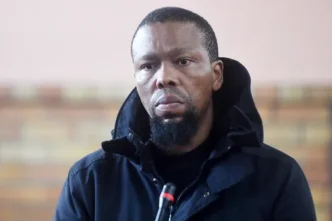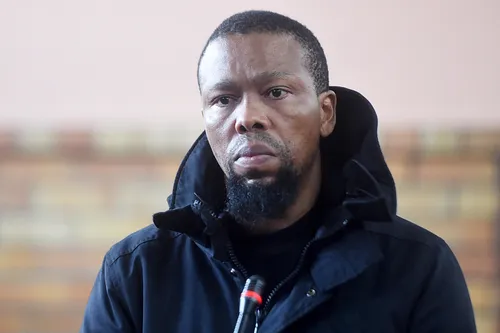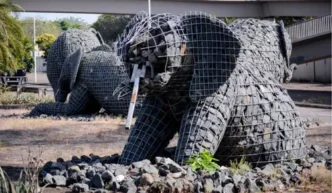
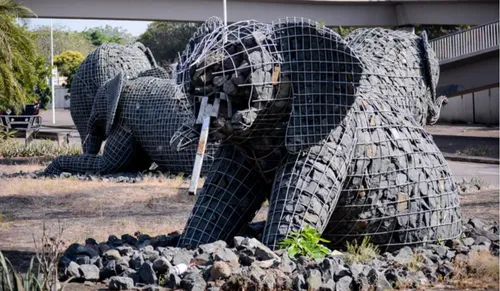
The recent call to decolonise statues, names, symbols, and memorials from Durban has sparked a heated debate. Selvan Naidoo’s advocacy for the removal of these relics has raised eyebrows, especially considering his background in researching colonial archives. The Elephant Sculptures by Andries Botha, completed in 2010, were meant to celebrate a proud African heritage of the city of Durban.
Statues and monuments provide not only a reference to times past but also context to history and the march of change. The measure of change depends on precedents, and if those are erased or removed, then by what means can one point to progress and change? As President Cyril Ramaphosa once said, “The cost of our Struggle is incalculable. We cannot even begin to count what it costs to be here.”
Understanding the Context of Colonialism
Colonialism, although a painful period in South African history, has left a lasting legacy. The city of Durban, as we know it today, is a testament to the infrastructure and buildings that were established during the colonial era. Without colonialism, Naidoo’s forebears would never have come to Natal, as indenture would not have been necessary.
The Importance of Preserving History
Preserving history, even if it is painful, is essential for understanding the present and building a better future. The removal of relics, names, monuments, etc., of the past, motivated by Colonialism Derangement Syndrome (CDS), is a monumental task. It would require the demolition of buildings, the trashing of books, and the erasure of history.
Some may argue that the removal of these relics is necessary for the country to move forward. However, this approach is short-sighted and ignores the complexities of history. Instead of erasing the past, we should focus on learning from it and using it as a foundation for building a better future.
- Promote education and awareness about the country’s history
- Encourage dialogue and discussion about the impact of colonialism
- Support initiatives that promote reconciliation and healing
It is essential to approach this topic with sensitivity and nuance, considering the diverse perspectives and experiences of South Africans. By doing so, we can work towards a more inclusive and equitable society, one that acknowledges its past while embracing its future.