Mercedes-Benz Group is considering a strategic partnership with Great Wall Motor (GWM) to share its manufacturing plant in South Africa, according to people familiar with the matter. This move could potentially boost the facility’s viability as US trade tariffs take effect.
Background and Context
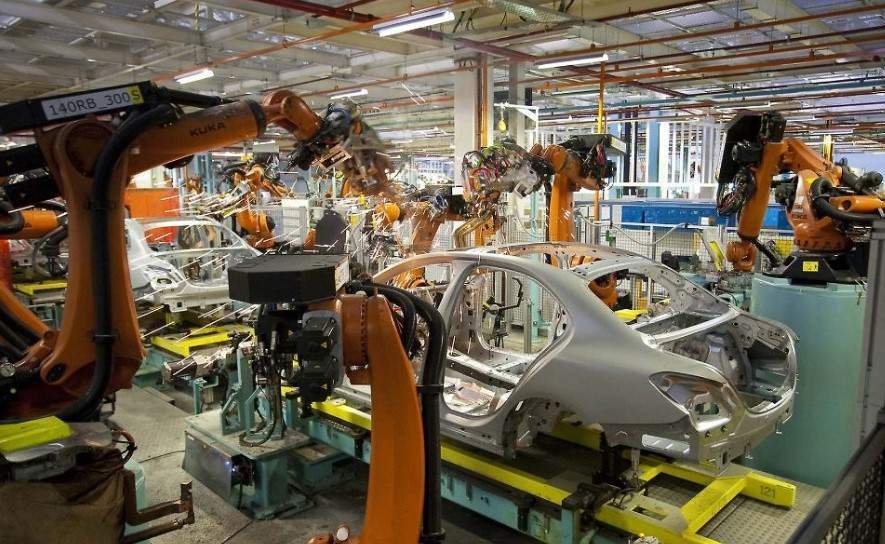
The Mercedes-Benz plant in East London, South Africa, has been in operation since 1958 and currently produces the C-Class sedan. However, the facility has faced challenges in recent years due to declining sales and increasing competition in the global automotive market.
As the US trade tariffs loom, Mercedes-Benz is exploring options to maintain the plant’s competitiveness. The potential partnership with GWM could provide a much-needed boost to the facility, allowing it to increase production and reduce costs. GWM, a Chinese automaker, has been expanding its global footprint in recent years, with a strong presence in Asia, Africa, and Latin America.
Benefits and Implications
The partnership could bring numerous benefits to both parties, including increased economies of scale, improved efficiency, and enhanced competitiveness. For Mercedes-Benz, the partnership could help to reduce costs and increase production, making the South African plant more viable. For GWM, the partnership could provide access to new markets, technologies, and expertise.
According to the Great Wall Motor Wikipedia page, the company has been actively pursuing partnerships and collaborations with other automakers to expand its global reach. This partnership could be a significant step forward for GWM’s international ambitions.
Some of the potential benefits of the partnership include:
- Increased production capacity and efficiency
- Improved competitiveness in the global market
- Access to new technologies and expertise
- Expanded market reach and presence
The partnership could also have significant implications for the South African automotive industry, which has been facing challenges in recent years. The industry has been impacted by declining sales, increasing competition, and trade tariffs, making it essential for manufacturers to explore new partnerships and collaborations to remain competitive.