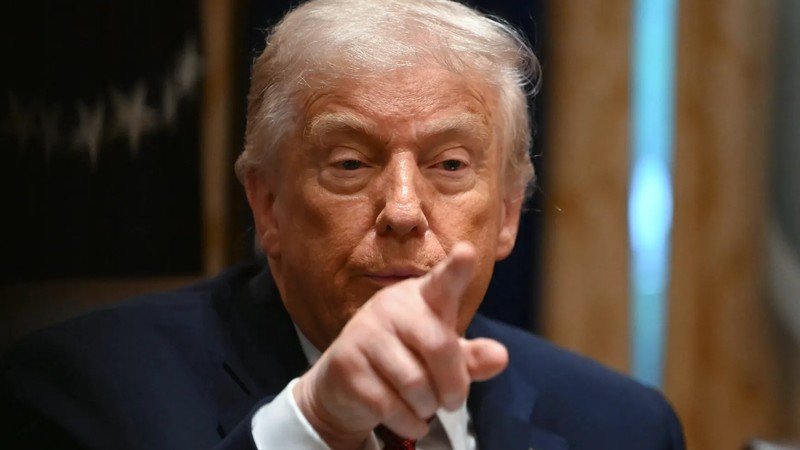
US President Donald Trump is not unique in his pursuit of senseless wars. The template is simple and is an all-American invention. When in trouble at home, start foreign wars.
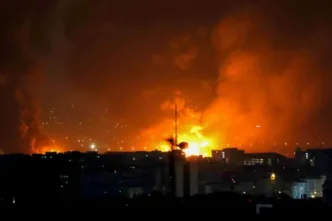
The war in West Asia, or as pundits prefer, the “Middle East”, can conveniently be dubbed as the foreign policy crisis of the US. Somehow, as the crisis deepens in Washington, so do the escalatory chants of war heighten. And if, for whatever reason, the crisis lessens, so would the brutality of the war in West Asia attenuate, as would its justification.
War and Propaganda
This correlation describes the phenomenon of rot. As the putrid decay metastasises throughout the US body politic, even the names describing their departments become unsuited for purpose. The Department of Defence had to become the Department of War, and similarly, the incumbent Secretary, the Secretary of War.
The change abandoned all pretences to global civility, exposing its fangs of imperial ambition or anxiety, if you will, in a world inhabited by other indomitably rising powers. In this blurred prism of interpretation, friend could be foe, a realisation that has questioned the attribution of the title ‘leader of the free world’ to the United States.
Deception and Leadership
Without a doubt, it cannot be described as free, either, and for reasons that are capable of rational explanation, America, or its current leader, no longer leads it. Expectedly, as the decibels of war became deafening, so did its corollary, propaganda.
For, as war or its mongers admit, without the hastily stitched narratives that must be constantly peddled on television, justifying war becomes extremely difficult. Deceiving people for the purposes of popularising unjustified wars has got a nice name and a long history. It is called “winning hearts and minds”.
Contrived by Gerald Templer, a British General during the Malayan Emergency that lasted for twelve years from 1948, it has since sustained the cavalier attitude of suits on television in god-like games, proselytising on who is an enemy and who is a terrorist. Often, as the world has learnt from many other conflicts, the instincts of the White House and its advisory occupants are irreconcilably varied with the survival instincts of the Republic.
No matter. By now, every US voter should be vaguely familiar with the aphorism that in the US, whoever you vote for, you get John McCain! The sobering reminder of the hypocrisy that drives an entire nation has painfully played out at the Memorial of the late Reverend Jesse Louis Jackson Snr.
Every former US President who spoke at the memorial in Chicago sounded humane, considerate, globally accountable and empathetic to the suffering of others. Sadly, however, among them, there were too many wars during their incumbency to square up with the intellectual solidarity displayed at that moment of mourning and the celebration of the life of a fallen hero.
As the world watches the unfolding drama, one thing is clear: the US war strategy is not working. The country is losing its grip on global leadership, and its actions are causing more harm than good. It’s time for a change, and it’s time for the US to rethink its approach to foreign policy. For more information on the US war strategy, visit the Brookings Institution website.
- The US war strategy is based on a simple template: when in trouble at home, start foreign wars.
- The war in West Asia is a foreign policy crisis that is deepening by the day.
- The US is losing its grip on global leadership, and its actions are causing more harm than good.