PRETORIA, South Africa — In a move that is set to ruffle feathers across South African breakfast tables and braai stands, the World Health Organization (WHO) has issued a renewed and urgent warning regarding the consumption of processed meats.
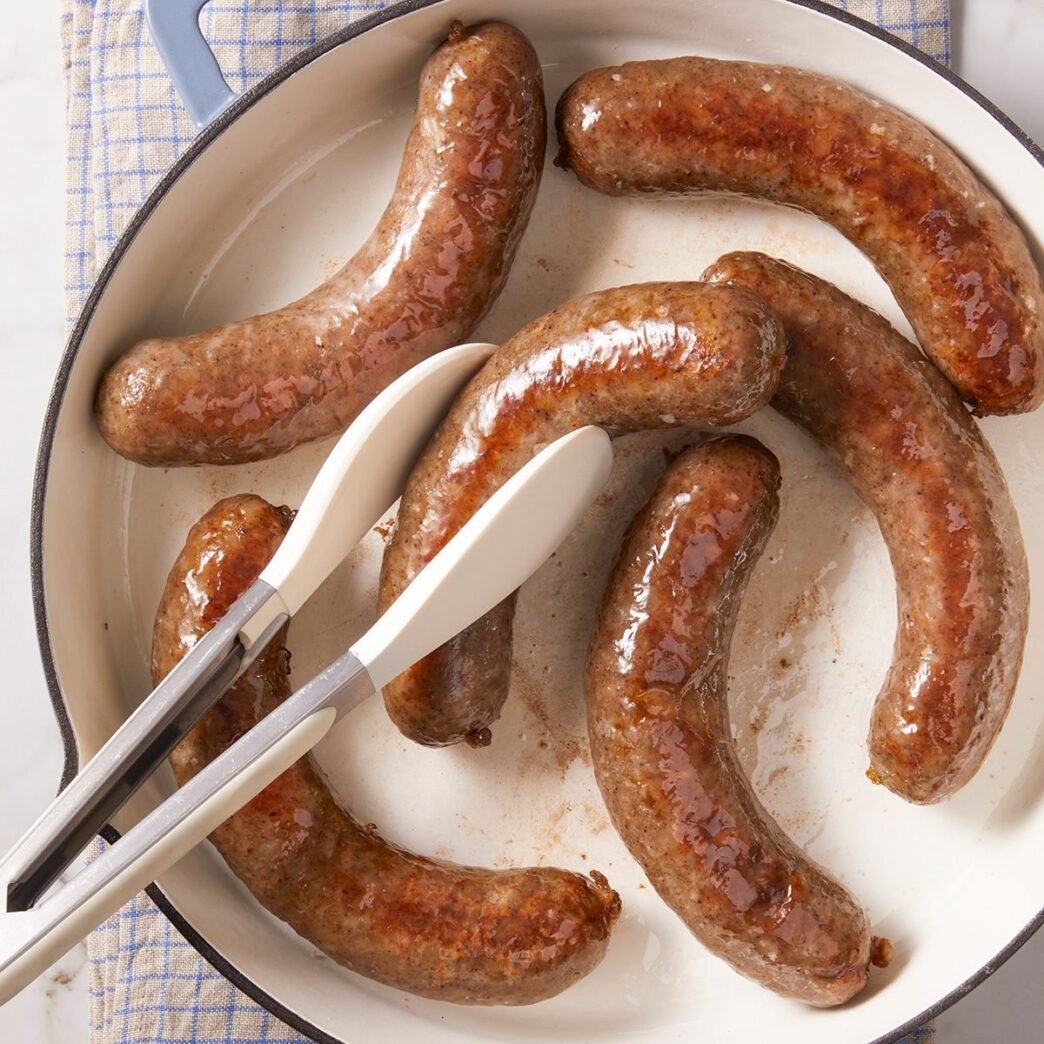
The latest health directive formally classifies popular staples—including bacon, sausages, hot dogs, and polony—as Group 1 carcinogens. This is the same high-risk category occupied by tobacco, asbestos, and arsenic, signaling a “shocking truth” about the links between these foods and various forms of cancer.
The Science: Why Your Breakfast is a Risk
The classification comes from the International Agency for Research on Cancer (IARC), which evaluated over 800 studies on the relationship between meat consumption and cancer.
- Colorectal Cancer Link: The strongest evidence suggests that eating processed meat regularly significantly increases the risk of colorectal (bowel) cancer.
- The 50g Rule: Health experts warn that consuming just 50 grams of processed meat a day—roughly the equivalent of two slices of bacon or one small sausage—increases the risk of colorectal cancer by an estimated 18%.
- Chemical Culprits: The cancer risk is attributed to chemicals like nitrates and nitrites used for curing, as well as heterocyclic amines produced when meat is cooked at high temperatures.
Processed vs. Red Meat: Know the Difference
The WHO report makes a clear distinction between meat types to help consumers make informed choices:
- Processed Meat (Group 1): Meat that has been transformed through salting, curing, fermentation, or smoking. This includes biltong, salami, and ham. This is now considered a definite cause of cancer.
- Red Meat (Group 2A): This includes beef, lamb, and pork. It has been classified as “probably carcinogenic,” meaning there is a likely link, but more research is needed to prove direct causation.
The South African Impact
For a nation where “meat is king,” the news is particularly sobering. South Africa has seen a steady rise in non-communicable diseases, and health advocates are using this report to push for better labeling.
“We are not saying you can never eat a boerewors roll again,” says Cape Town-based nutritionist Dr. Sarah Miller. “But we are saying that processed meats should not be a daily dietary habit. We need to move back to whole foods and plant-based proteins.”
How to Reduce Your Risk
If you aren’t ready to give up meat entirely, the WHO and local health experts suggest these harm-reduction strategies:
- Swap the Processed for Fresh: Replace bacon with fresh chicken breast or fish.
- Watch the Heat: Avoid charring meat on the braai, as the black, burnt parts contain the highest concentration of carcinogenic compounds.
- Fiber is Your Friend: Increase your intake of vegetables and whole grains, which can help mitigate some of the digestive risks associated with meat consumption.
As the Department of Health reviews these international findings, South Africans are encouraged to rethink their “meat-heavy” lifestyle in favor of long-term longevity.
Source Credit: Based on reporting by IOL Lifestyle and the World Health Organization (WHO) IARC database.