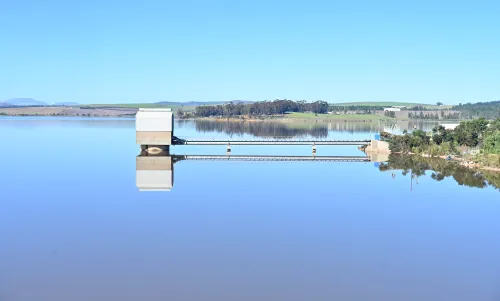
The specter of ‘Day Zero’ looms once more over the Western Cape, with dam storage levels plummeting to a precarious 48.85%. As the National Department of Water and Sanitation issues urgent conservation pleas, the region faces a stark reminder of the 2018 water crisis. Residents must act now to secure their water future.
Western Cape Water Crisis: A Stark Reminder
The Western Cape water crisis has been a longstanding issue, with the region experiencing severe droughts in recent years. According to the National Department of Water and Sanitation, the current dam storage levels are a cause for concern, with the Theewaterskloof Dam, the largest dam in the Western Cape, being at a mere 34.2% capacity.
The City of Cape Town has implemented various water-saving measures, including water restrictions and tariffs, to mitigate the effects of the drought. However, more needs to be done to ensure the long-term sustainability of the region’s water supply. The city’s residents must take immediate action to reduce their water consumption, with a focus on reducing non-essential water usage.
Water Conservation Tips
There are several ways to conserve water, including:
- Fixing leaks and installing low-flow fixtures
- Using water-efficient appliances
- Harvesting rainwater
- Implementing greywater reuse systems
By implementing these measures, residents can significantly reduce their water consumption and help alleviate the pressure on the region’s water supply. For more information on water conservation, visit the Wikipedia page on water conservation.
The Western Cape water crisis is a stark reminder of the importance of water conservation and the need for sustainable water management practices. As the region faces another potential ‘Day Zero’, residents must come together to ensure the long-term sustainability of their water supply.