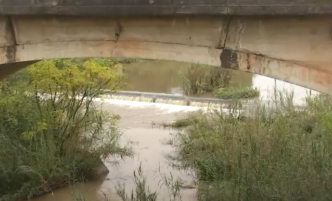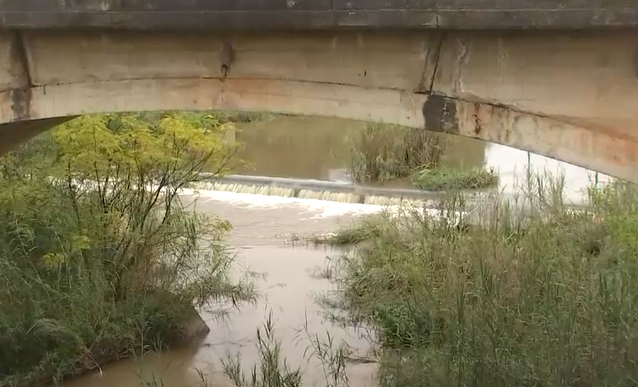
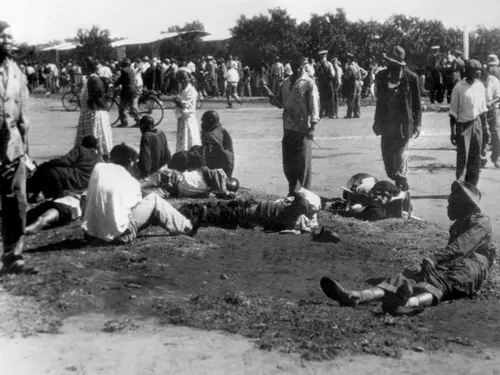
As South Africans commemorated Human Rights Day, residents of eThekwini expressed their frustration over ongoing water shortages, which have affected nearly 30% of households in the municipality. The situation has led to a disconnect between governmental promises and the reality of their daily struggles, with many feeling that their basic human rights are being neglected.
The eThekwini municipality has been struggling to provide a consistent water supply to its residents, with some areas experiencing water shortages for weeks on end. According to the Department of Water and Sanitation, the water shortages are due to a combination of factors, including aging infrastructure, high water demand, and drought.
Water Shortages and Human Rights
The water shortages in eThekwini have significant implications for the human rights of its residents. Access to clean water is a fundamental human right, as enshrined in the South African Constitution and the United Nations Universal Declaration of Human Rights. The lack of access to clean water affects not only the health and well-being of residents but also their dignity and quality of life.
Causes of Water Shortages
Some of the causes of water shortages in eThekwini include:
- Aging infrastructure: Much of the water infrastructure in eThekwini is old and in need of repair or replacement.
- High water demand: The growing population of eThekwini has put a strain on the water supply, leading to shortages.
- Drought: eThekwini has experienced droughts in recent years, which have further exacerbated the water shortages.
The eThekwini municipality has implemented some measures to address the water shortages, including water rationing and the construction of new water infrastructure. However, more needs to be done to address the root causes of the problem and ensure that all residents have access to clean water.