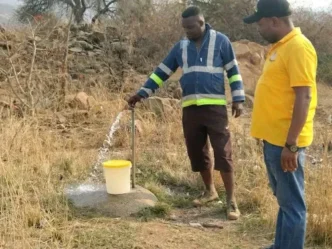
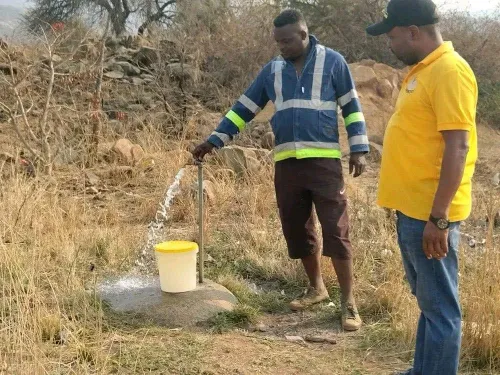
Access to clean water ranks among the most pressing policy priorities for African citizens, according to Afrobarometer surveys spanning 38 countries. A majority of respondents express dissatisfaction with their governments’ performance in delivering safe drinking water and sanitation services — a sentiment that deepens among rural populations and economically disadvantaged communities.
On average, water supply ranks third among the issues Africans want their governments to address, trailing only health and unemployment and tying with education, the rising cost of living, and infrastructure development. However, concern varies significantly by country: while 57% of Guineans cite water as a top national challenge — outranking all other issues in Guinea, Chad, Benin, and Mozambique — virtually no respondents in Seychelles share this perception.
Water Insecurity in Africa
Geography and economic status heavily influence both access and perception. Rural residents are more likely than urban dwellers to report frequently going without sufficient water (29% vs 21%) and are far less likely to have access to piped water (33% vs 71%). Instead, they rely more heavily on boreholes and tubewells (56% vs 35%). Similarly, the poorest respondents are least likely to live in areas served by piped systems (40%, compared to 77% among the most economically secure) and most likely to depend on alternative sources like boreholes (51% vs 28%).
According to the Afrobarometer surveys, these disparities shape public evaluations of government performance. Only 39% of citizens overall believe their government is adequately providing water and sanitation services. Approval rises sharply with economic status: Just 26% of the poorest respondents rate government efforts positively, compared to 60% of those experiencing no lived poverty.
Addressing Water Insecurity
Urban and economically secure respondents also offer more favourable assessments, underscoring how geography, poverty, and service delivery intersect to shape public trust. To address water insecurity, governments must prioritize investments in water infrastructure, particularly in rural areas. This can include initiatives such as UNICEF’s water, sanitation, and hygiene (WASH) programs, which aim to improve access to clean water and sanitation services for vulnerable communities.
Some of the key steps that can be taken to address water insecurity include:
- Increasing investments in water infrastructure, such as pipes, pumps, and treatment plants
- Implementing efficient water management systems to reduce waste and leakage
- Supporting community-led initiatives to improve access to clean water and sanitation services
- Developing policies and programs to address the root causes of water insecurity, such as poverty and inequality