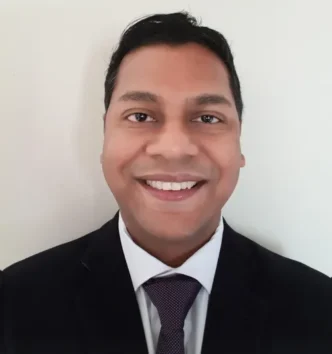

According to Professor David Lokhat, the uMngeni-uThukela Water Chair in Water Resources Research and Innovation at the University of KwaZulu-Natal, the lack of access to clean drinking water in the developing world is a threat to global sustainability, biodiversity and ecosystem resilience. Around 2 billion people globally use a source of drinking water that is contaminated, resulting in more than 2 million deaths every year from diarrhoeal diseases.
Water and Gender Equality
Poor hygiene and unsafe water are responsible for nearly 90 per cent of these deaths, mostly affecting women and children. Although access to improved water sources has increased, the quality of the water obtained from them is still unsatisfactory, as they carry various microorganisms and suspended contaminants. The theme adopted for this year’s World Water Day, observed on March 22, is “Water and gender” with the campaign title “Where water flows, equality grows”.
This theme emphasizes safe drinking water and sanitation as fundamental human rights and critical enablers of gender equality. The lack of safe drinking water and proper sanitation services is a global crisis that affects everyone, but not equally. It creates and exacerbates health issues, stunts socio-economic progress and widens the gender and equality gaps. South Africa is not exempt from these challenges, with many communities still struggling to access clean water and proper sanitation.
Addressing the Challenges
In addressing these issues, several key considerations should be taken. Firstly, recognizing the impact of climate change on water services development and provision is critically important, as noted by the United Nations Water organization. The world is changing at an appreciable rate, and we have to embed sustainability and resilience into the water value chain.
Secondly, policy and governance frameworks have to adapt as rapidly as technologies do, to ensure tangible uptake of such technologies. They should provide a structured framework that translates high-level strategic goals into actionable, consistent, and accountable operational steps. Lastly, implementation of new infrastructure and technologies should benefit all communities, either directly or indirectly, to ensure that the most vulnerable are not left behind.
Some of the key solutions to these challenges include:
- Integrated planning for both water and energy resilience
- Circular water solutions to address sanitation and water quality issues
- Implementation of new technologies, such as thermal hydrolysis processing and anaerobic digestion of water treatment sludge, to generate clean energy
For more information on water management and sustainability, visit the Department of Water and Sanitation website.