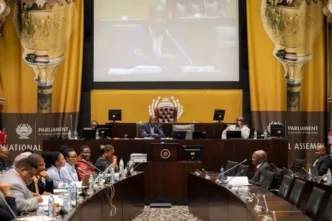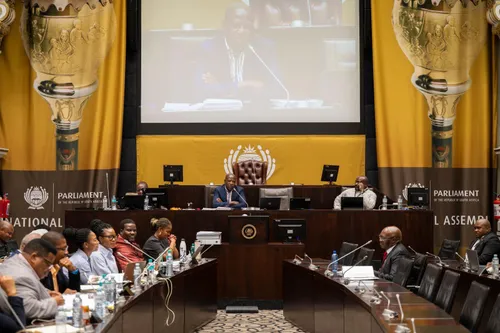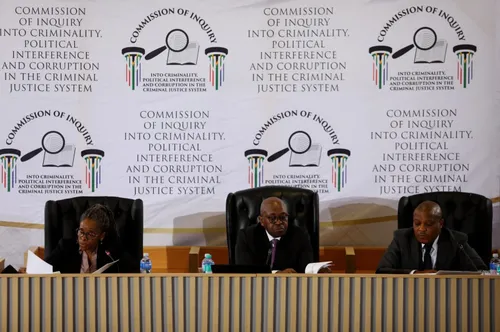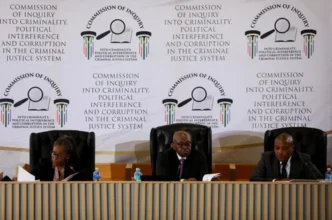
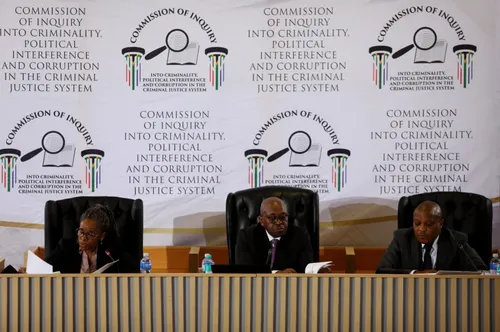
The Tshwane Metro Police Department has taken swift action by suspending Deputy Commissioner Umashi Dhlamini, following serious allegations presented at the Madlanga Judicial Commission of Inquiry. This move prompts a full investigation into the claims, which will be closely watched by the public and law enforcement agencies alike.
Background on the Madlanga Commission
The Madlanga Commission, established to investigate various issues within the Tshwane Metro Police Department, has been instrumental in uncovering potential wrongdoing. The commission’s findings and recommendations will play a crucial role in determining the future of the department and its leadership. As explained on the Government of South Africa’s official website, such commissions are vital for maintaining transparency and accountability within public institutions.
The suspension of Deputy Commissioner Dhlamini is a significant development, highlighting the department’s commitment to addressing the allegations and ensuring that those responsible are held accountable. It also underscores the importance of internal controls and oversight mechanisms within law enforcement agencies.
Implications and Next Steps
The implications of this suspension are far-reaching, with potential consequences for the department’s leadership and operations. Some key aspects to consider include:
- The impact on the department’s morale and public trust
- The potential for further investigations and disciplinary actions
- The need for enhanced internal controls and oversight mechanisms
As the investigation unfolds, it is essential to consider the broader context of law enforcement in South Africa. The country has seen numerous initiatives aimed at reforming and improving its policing services, including the establishment of the South African Police Service.
The Tshwane Metro Police Department’s actions in this matter demonstrate a commitment to accountability and transparency. However, the road ahead will be challenging, requiring careful navigation of the investigation’s findings and the implementation of necessary reforms.