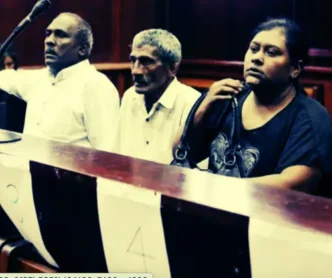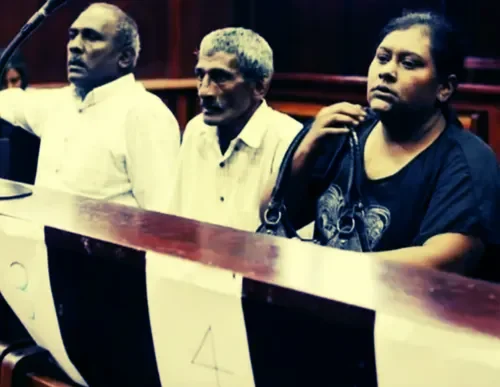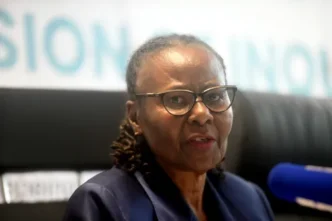
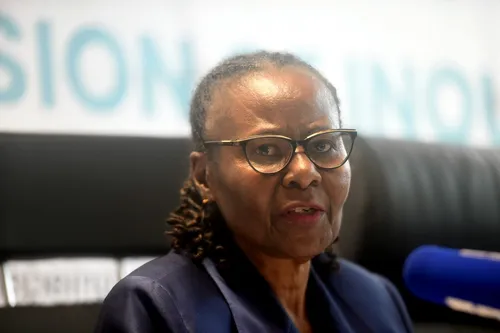
Families of victims linked to unresolved Truth and Reconciliation Commission (TRC) cases have voiced strong criticism against President Cyril Ramaphosa, accusing him of undermining the commission chaired by retired judge Sisi Khampepe amidst calls for her recusal. The TRC, established in 1995, was tasked with investigating human rights violations that occurred during apartheid, and providing recommendations for reparations and rehabilitation.
TRC Background
The Truth and Reconciliation Commission was a crucial part of South Africa’s transition to democracy, and its findings and recommendations have had a lasting impact on the country. However, many cases remain unresolved, and families of victims are still seeking justice and closure.
President Ramaphosa’s recent submissions to the Khampepe commission have sparked outrage among these families, who feel that he is not taking their concerns seriously. They are calling for Judge Khampepe to recuse herself from the commission, citing concerns about her impartiality.
Key Concerns
Some of the key concerns raised by families of TRC victims include:
- Lack of progress in resolving unresolved cases
- Perceived lack of commitment from the government to implementing TRC recommendations
- Concerns about the independence and impartiality of the Khampepe commission
These concerns have been echoed by human rights organizations and other stakeholders, who are calling for greater transparency and accountability in the handling of TRC cases. As the situation continues to unfold, it remains to be seen how President Ramaphosa and the Khampepe commission will respond to these concerns.
The Department of Justice and Constitutional Development has a crucial role to play in addressing these concerns and ensuring that the TRC’s legacy is upheld. Families of victims and human rights organizations will be watching closely to see how the government responds to these challenges.