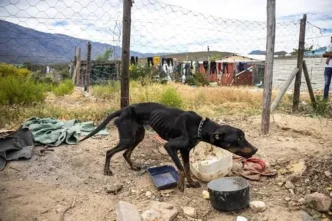
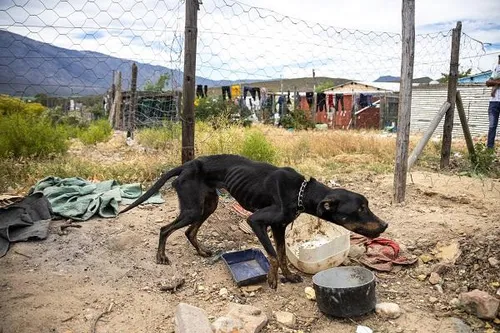
South Africa is facing a stray animal crisis, with over 4 million homeless pets roaming the streets. This alarming statistic was revealed by FOUR PAWS on World Stray Animal Day, highlighting the need for urgent solutions to protect both animals and communities.
The stray animal population in South Africa is a complex issue, with many factors contributing to the problem. According to the Animal Welfare Society of South Africa, the lack of access to animal welfare services, particularly in rural areas, is a major contributor to the crisis.
Stray Animal Crisis: Causes and Consequences
The causes of the stray animal crisis are multifaceted, including poverty, lack of education, and inadequate animal control measures. The consequences are far-reaching, with stray animals posing a risk to public health and safety, as well as the welfare of the animals themselves.
Some of the key statistics highlighting the stray animal crisis in South Africa include:
- Over 4 million homeless pets
- 70% of stray animals are not sterilized
- 50% of stray animals are not vaccinated
Solutions to the Crisis
To address the stray animal crisis, FOUR PAWS is calling for immediate action, including the implementation of Trap-Neuter-Return (TNR) programs, which involve trapping stray animals, sterilizing them, and releasing them back into their colonies. This approach has been shown to be effective in reducing stray animal populations and improving animal welfare.
In addition to TNR programs, education and outreach initiatives are also crucial in addressing the stray animal crisis. By educating the public about the importance of animal welfare and the need for responsible pet ownership, we can work towards reducing the number of stray animals on our streets.
As noted by the Wikipedia page on animal welfare, education and outreach are key components of any successful animal welfare strategy.