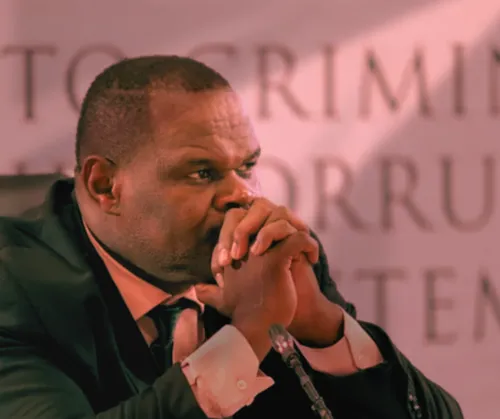
The Madlanga Commission has heard testimony from Sergeant Fannie Nkosi, who failed to provide a clear account of his duties as a police officer, raising concerns about accountability and oversight within the South African Police Service (SAPS). Instead, Nkosi described his involvement in activities unrelated to core policing, including offering motorbike riding, shooting, and boating training during his official working hours.
Nkosi’s testimony has stunned the commission, with commissioners struggling to establish what role he actually fulfilled as a serving officer. He admitted to working with alleged cartel members, including Vusimuzi “Cat” Matlala and Katiso “KT” Molefe, and sharing confidential SAPS information with people who were not officers. According to the South African Police Service, police officers are expected to uphold the highest standards of integrity and professionalism.
SAPS Accountability and Oversight
The commission’s findings have highlighted the need for greater accountability and oversight within SAPS. Nkosi’s admission of operating in “grey areas” within the police service, where rules are often bent to achieve results, has raised concerns about the lack of transparency and accountability. As noted by the South African Parliament, the police service is expected to be transparent and accountable in its operations.
Alleged Tender Interference
The commission also heard evidence linking Nkosi to alleged tender interference in the City of Tshwane. He testified about his involvement with a municipal CFO Gareth Minsk and suspended Tshwane Metropolitan Police Department deputy chief Umshai Dhlamini. WhatsApp messages presented to the commission showed Nkosi in frequent contact with an associate, discussing a lucrative City of Tshwane security contract.
Some of the key points from Nkosi’s testimony include:
- Failure to provide a clear account of his duties as a police officer
- Involvement in activities unrelated to core policing, including motorbike riding, shooting, and boating training
- Admission of working with alleged cartel members and sharing confidential SAPS information
- Alleged tender interference in the City of Tshwane
The commission’s findings have significant implications for the South African Police Service and the country as a whole. The lack of accountability and oversight within SAPS has raised concerns about the effectiveness of the police service in combating crime and corruption.</p)