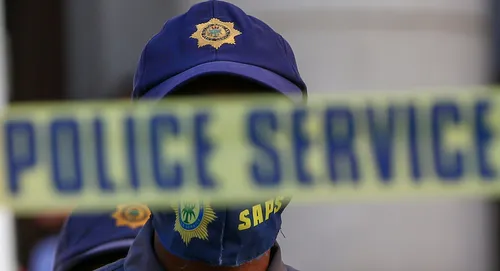
The Institute for Security Studies (ISS) has revealed that corrupt SAPS officers are typically serial offenders who collude with other officers and shield each other from accountability, with some even working with gangs or organised crime groups. The research institute argued that the Independent Police Investigative Directorate (IPID) was not created to address police corruption, adding that its main focus is on crimes of violence committed by police officers.
Leadership Accountability
The ISS has called upon the Madlanga Commission of Inquiry to place leadership accountability at the forefront of its findings, stating that the responsibility for curbing police corruption lies with SAPS leadership, not external agencies. The commission, chaired by retired Constitutional Court Justice Mbuyiseli Madlanga, was established in July 2025 to investigate systemic corruption, criminal infiltration, and political interference within the SAPS and the broader justice system, as outlined on the South African Government website.
The organisation said that a range of agencies and mechanisms are tasked with investigating police corruption, but no agency has overall responsibility, and that coordination between agencies is limited. This lack of coordination has led to a situation where corrupt police officers are able to operate with impunity, often with the help of other officers who are willing to shield them from accountability.
Examples of Corruption
Witnesses have revealed that controversial businessman Vusimusi ‘Cat’ Matlala is an underworld figure who effectively acted as a “deputy national commissioner”, allegedly directing police operations and “pampering” senior officers with money and gifts. Suspended National Head of Organised Crime, Richard Shibiri, was grilled over a R70,000 “loan” from Matlala, which he claimed was for car repairs, but bank records showed he had over R100,000 available and spent thousands on luxury items at Gucci and Louis Vuitton shortly after receiving the payment.
Other examples of corruption include the alleged deployment of a Hawks helicopter to stop the arrest of murder suspect and cartel leader Katiso Molefe, and senior officers allegedly sharing sensitive case information and arrest warrants with suspects. In one instance, suspended Deputy Commissioner Shadrack Sibiya allegedly instructed an officer to share an arrest warrant for blogger Musa Khawula with Matlala.
IPID’s acting national head, Thuso Keefelakae, testified that the directorate faces severe shortages in manpower and expertise, often having to rely on the SAPS to collect evidence for its own investigations, as stated on the IPID website.
- 70% of police corruption cases involve officers shielding each other
- Corrupt officers often work with gangs or organised crime groups
- Lack of coordination between agencies hinders investigations