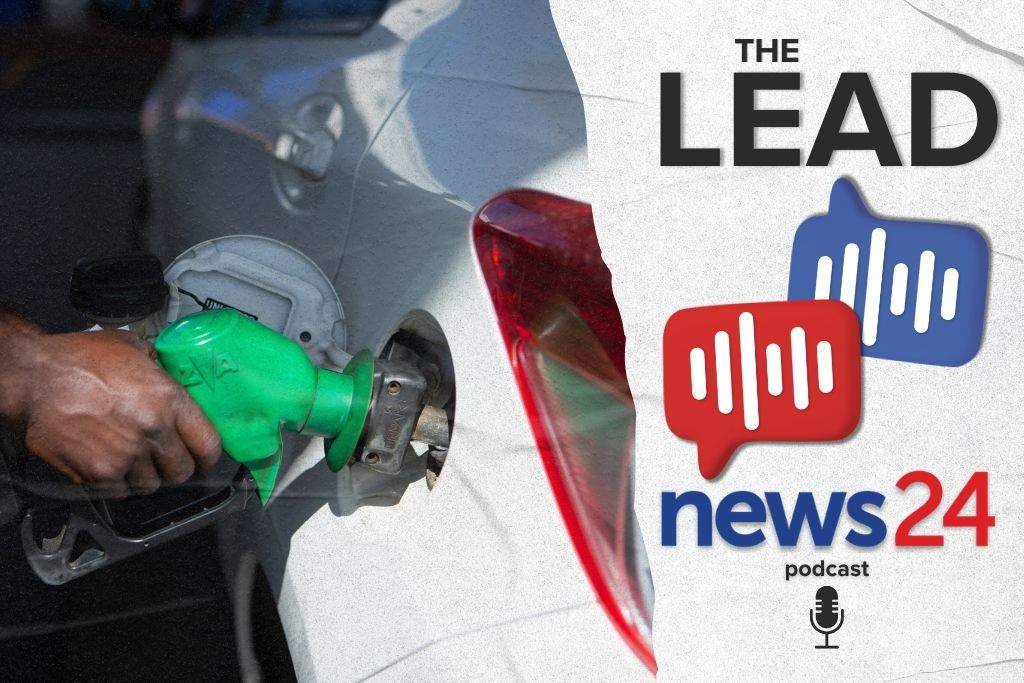
With global oil prices skyrocketing, largely due to rising conflict in south-west Asia, South African industry experts are concerned that the country should be shoring up its local fuel supplies. This comes as the economy shows signs of a strong rebound, but motorists face the prospect of petrol prices rising by more than R2 at the pumps this April.
According to the Department of Mineral Resources and Energy, South Africa’s fuel prices are determined by international oil prices, making the country vulnerable to global market fluctuations. As a result, local fuel prices have been on the rise, with some experts predicting a significant increase in the coming months.
Fuel Price Hike: What It Means for South Africans
The potential fuel price hike is expected to have a significant impact on South African motorists, with many already feeling the pinch of high fuel costs. The increase is also likely to affect other sectors, such as transportation and logistics, which could lead to higher prices for goods and services.
Impact on the Economy
The South African economy is still recovering from the COVID-19 pandemic, and a fuel price hike could hinder this progress. However, some experts argue that the country’s strong economic rebound, coupled with the recent South African Reserve Bank decision to keep interest rates low, could help mitigate the effects of the fuel price increase.
Some of the key factors that will influence the fuel price hike include:
- Global oil prices
- International market fluctuations
- South African economic conditions
- Government policies and regulations
In other news, the Hermanus mansion of former Steinhoff CEO Markus Jooste has been sold, marking a significant development in the ongoing saga surrounding the company’s financial woes.