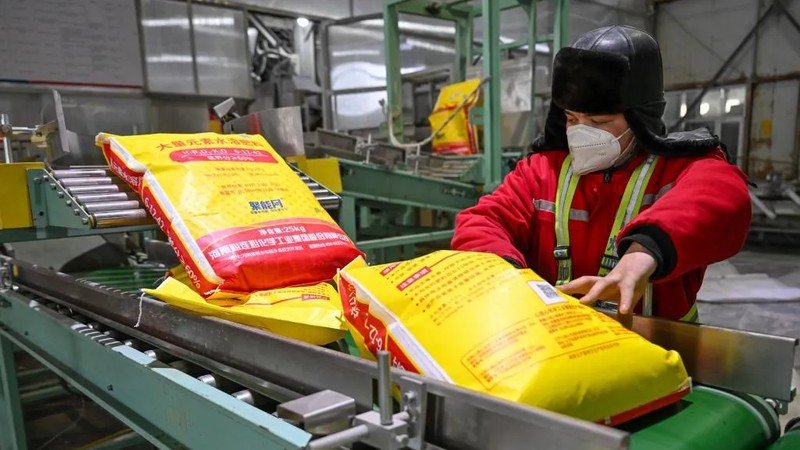
Russia is poised to dominate the global wheat supply market amid rising tensions in the Middle East, with urea prices surging by 50% in under a month. The conflict in Iran has disrupted global fertiliser markets, with the Gulf region being a major production and export hub for urea, the most commonly used fertiliser in the world.
Before the conflict, urea was trading at between $435 – $490 per tonne. By mid-March, it had moved to between $604 – $710, with forward contracts for April delivery crossing $745 per tonne. This price increase is expected to have a significant impact on global crop yields, as nitrogen fertilisers account for an estimated 40 to 50% of global crop yields.
Russia’s Fertiliser Export Dominance
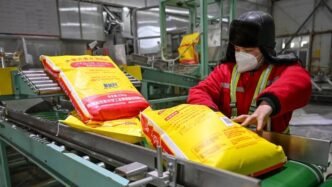
Russia produced 65.4 million metric tonnes of fertiliser in 2025 and exported around 43 million of them, with annual export revenues exceeding $11 billion under normal market conditions. A sustained 50% price increase on Russia’s export volumes adds roughly $360 million per month above last year’s numbers.
According to the Food and Agriculture Organization of the United Nations, the global fertiliser market is expected to continue growing, driven by increasing demand for food production. Russia’s dominance in the fertiliser market is expected to have a significant impact on the global wheat supply, with South African farmers potentially feeling the effects.
Impact on South African Farmers
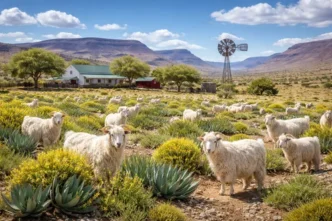
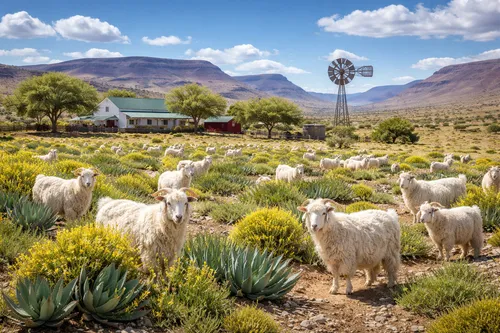
The price increase is expected to affect South African farmers, who may struggle to afford the higher costs of fertilisers. This could lead to reduced crop yields and increased food prices, ultimately affecting the entire food value chain. As noted by the Department of Agriculture, Land Reform and Rural Development, the fertiliser market plays a critical role in ensuring food security in South Africa.
Some of the key factors that will influence the fertiliser market in the coming months include:
- Global demand for fertilisers
- Supply chain disruptions
- Price volatility
- Government policies and regulations
As the situation continues to unfold, it is essential for South African farmers and policymakers to stay informed about the developments in the global fertiliser market and their potential impact on the local agricultural sector.