In a historic day for South Africa’s financial markets, the South African Rand (ZAR) briefly broke below the psychologically significant R16.00 to the US Dollar level on Monday, January 26, 2026. This is the first time the local unit has reached these levels in nearly four years, marking a dramatic recovery from the R19.00/$ lows seen in 2025.
The surge has been fueled by a combination of a weakening “Trump-era” Dollar, a record-breaking rally in gold prices, and a string of positive local economic reforms.
The “Golden” Boost
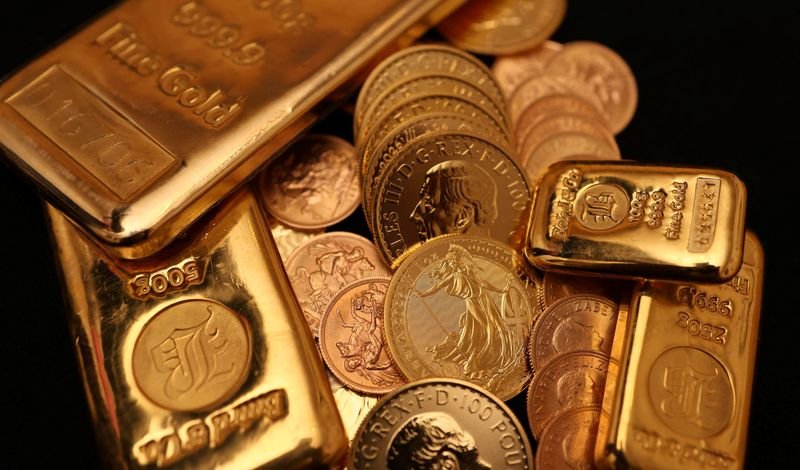
The primary driver behind the Rand’s sudden strength on Monday was the astronomical rise in the price of Gold, which surged to an all-time record high above $5,000 an ounce.
- Safe-Haven Demand: As global geopolitical uncertainties rise, investors have piled into gold, directly benefiting South Africa’s commodity-linked currency.
- Commodity Basket: Gains in platinum and other precious metals have also provided a tailwind, allowing the Rand to gain roughly 3% against the greenback since the start of 2026.
The “Weak Dollar” Narrative
While local factors are at play, the Rand’s rally is significantly mirrored by a broader decline in the US Dollar.
- Trump Administration Tactics: Analysts note that the return of Donald Trump to the White House has brought a shift in fiscal policy, with the administration favoring a weaker dollar to boost US trade competitiveness.
- Economic Uncertainty: Concerns over the US fiscal deficit, combined with unconventional tactics regarding Greenland and Venezuela, have pushed the Dollar Index down, benefiting emerging market currencies like the Rand.
South Africa’s Structural Shift
Beyond global trends, South Africa’s own “internal house-cleaning” is finally reflecting in the currency’s value.
- Credit Upgrade: S&P Global recently handed South Africa its first credit rating upgrade in two decades.
- Grey List Exit: The country’s successful removal from the FATF “Grey List” has restored international investor confidence.
- Economic Trajectory: Upward revisions in economic growth and the anticipated 50 basis point interest rate cut by the SARB this Thursday have created a “sweet spot” for the ZAR.
Will Consumers Feel the Relief?
Despite the Rand trading at R16.01 to the dollar at the time of publication, experts warn that “cheaper imports” may not hit shelves immediately.
- Lag Effect: Analysts from Citadel Global and Future Forex suggest it takes several months for currency strength to filter through to consumer prices, such as electronics and fuel.
- Sustainability: While the Rand “punched through” R16, it quickly reverted to the R16.03 resistance band. Markets remain cautious about whether the unit can sustain these levels throughout the first quarter of 2026.
The SARB Dilemma
The Rand’s strength gives the South African Reserve Bank (SARB) significant “room to move” during its rate-setting meeting this Thursday. With a stronger currency helping to dampen imported inflation, the pressure is on Governor Lesetja Kganyago to deliver a more aggressive rate cut to stimulate local growth.
Source Credit: Based on reporting by IOL Business, BusinessTech, and EWN.