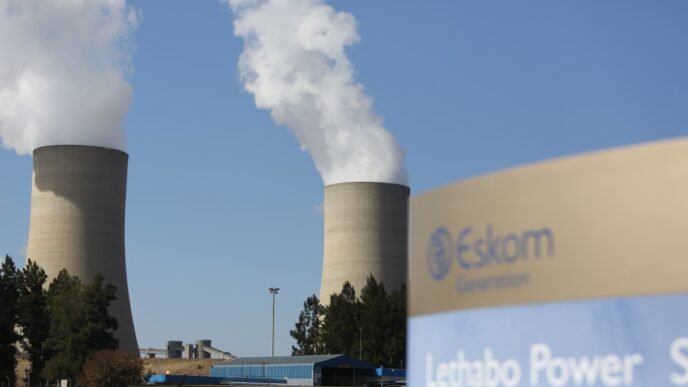
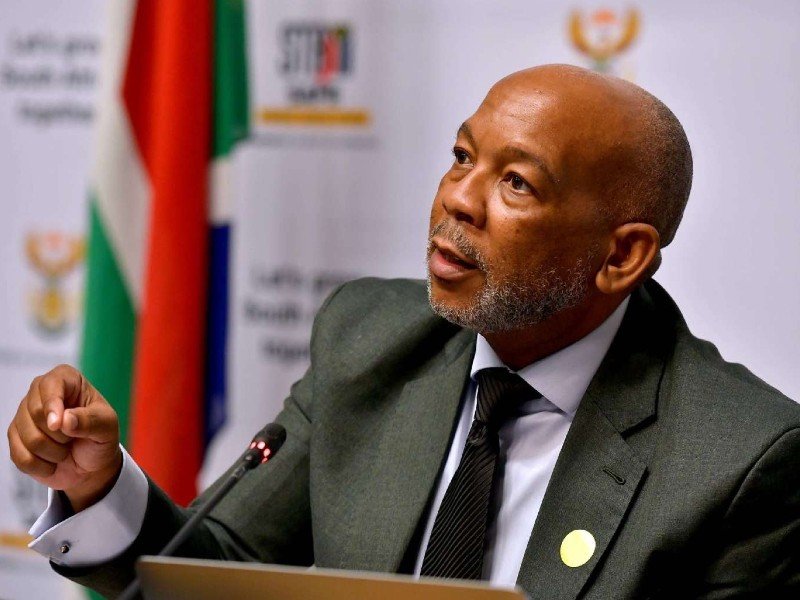
A storm of opposition is gathering over Electricity and Energy Minister Dr. Kgosientsho Ramokgopa’s revised unbundling strategy for Eskom, with critics warning that the “compromise” model could derail South Africa’s energy transition and alienate billions in international funding.
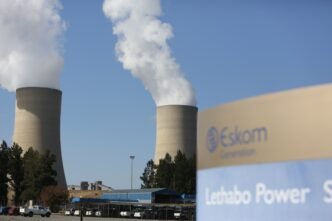
The plan, which received ministerial approval in late December 2025 and is being finalized this January, aims to split Eskom into four subsidiaries—GenerationCo, NTCSA (Transmission), NEDCSA (Distribution), and Eskom Green—but keeps them all under a single holding company.
The Core of the Conflict: The “Incumbent” Trap
The primary point of contention is the decision to keep the National Transmission Company South Africa (NTCSA) as a subsidiary of Eskom Holdings, rather than spinning it off into a fully independent state-owned company.
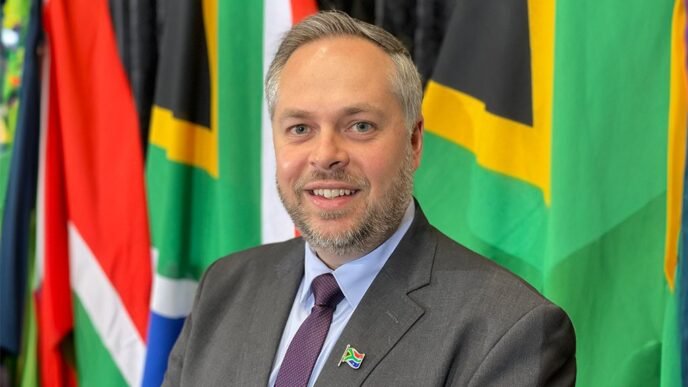
- “Half-Hearted” Reforms: Presidency official Rudi Dicks, head of Operation Vulindlela, took the unusual step of publicly criticizing the approach on January 22, 2026. Dicks argued that the unbundling cannot be done “half-heartedly” and that leaving transmission assets within Eskom Holdings risks favoring the “incumbent” (Eskom Generation) over private renewable competitors.
- The “Player and Referee” Dilemma: Energy experts, including Professor Anton Eberhard, maintain that as long as the grid owner reports to the same board as the country’s biggest power generator, a conflict of interest exists. This, they argue, will frustrate the entry of private generators who fear discriminatory grid access.
The $8.3 Billion Risk: JETP Funding in Jeopardy
The revolt isn’t just internal. Foreign government funders and creditors have expressed “rattle” over the revised breakup plan.
- JETP Impact: South Africa’s $8.3 billion Just Energy Transition Partnership (JETP) is reportedly at risk. European partners had expected a full, clean break of the transmission business to ensure a competitive wholesale market.
- Funding the Grid: With Eskom needing R440 billion to build 14,000km of new transmission lines, the lack of a standalone balance sheet for the NTCSA makes it significantly harder to raise the necessary capital from private investors.
Labor’s Counter-Revolt: The “Neo-Liberal” Project
While the Presidency and private sector want more unbundling, organized labor is revolting against any unbundling.
- NUM’s Rejection: The National Union of Mineworkers (NUM) has labeled the project a “neo-liberal” attempt to dismantle a vital state asset and facilitate “wholesale privatization.”
- Job Security Fears: Despite government assurances, labor remains unconvinced that the transition to “Eskom Green” and the new subsidiaries will protect the thousands of workers currently employed in the coal-heavy GenerationCo.
Ramokgopa’s Defense: Financial Stability First
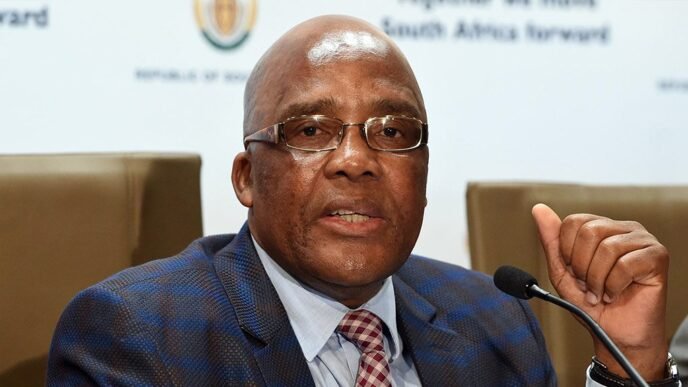
Minister Ramokgopa has defended the “holding company” model as a pragmatic necessity.
- The Debt Burden: Moving transmission assets entirely out of Eskom would, according to the Ministry, trigger “cross-default clauses” on Eskom’s massive R400 billion+ debt.
- Phased Approach: The Minister argues that this is a “phased” transition toward a fully independent Transmission System Operator (TSO) by 2030, aimed at preserving Eskom’s fragile balance sheet while slowly introducing competition.
ANALYSIS: A High-Stakes Balancing Act
The “revolt” brewing against Ramokgopa’s plan highlights the three-way tug-of-war currently defining South African energy policy:
- The Reformists (Presidency/Operation Vulindlela): Want a clean, aggressive break to unlock private investment and competition. They see the current plan as “reform-lite” that protects Eskom’s monopoly.
- The Pragmatists (Ministry of Electricity/Eskom Board): Are terrified that a full legal split will cause a financial collapse of the Eskom Group. They are choosing financial survival over theoretical market purity.
- The Traditionalists (Labor/Coal Lobby): See any split as a step toward privatization and the death of the “developmental state” model.
The Bottom Line: By trying to please everyone, Ramokgopa may have created a structure that pleases no one. If the NTCSA cannot raise its own funds and the JETP partners pull back their support, the “phased approach” might leave South Africa with a modernized grid on paper, but a broken one in reality.