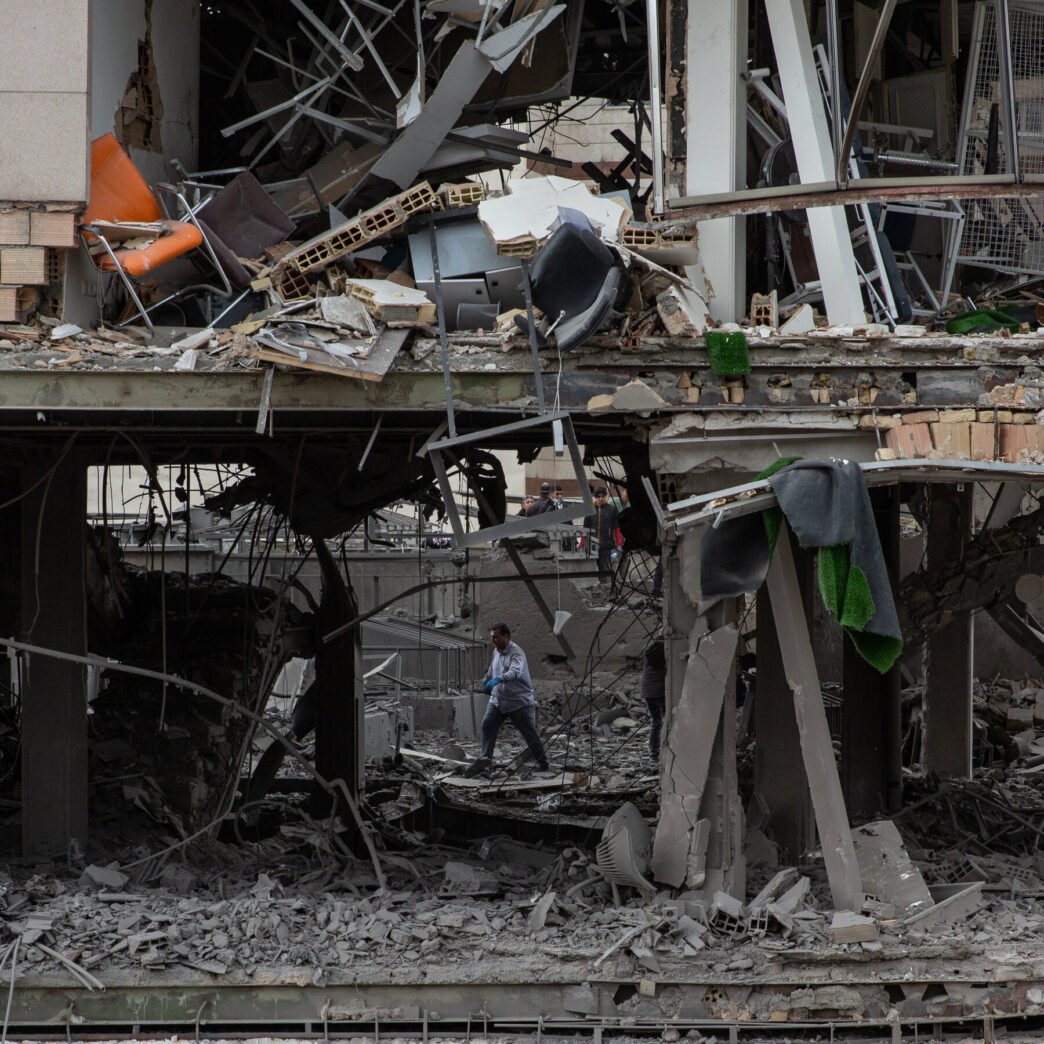
Global oil prices have surged to $116 a barrel, a 5% increase, as investors digest the escalating tensions in the Middle East, particularly the U.S.-Israeli war in Iran, which has led to a blockage of critical energy supplies. The conflict has sparked concerns over the disruption of oil production and exports from the region, thereby affecting the global energy market.
Impact on South Africa
The increase in oil prices is expected to have a significant impact on South Africa, where petrol prices are already a major concern for consumers. With the current exchange rate and the increase in oil prices, South Africans can expect a rise in petrol prices, which will have a ripple effect on the overall cost of living.
According to the Department of Mineral Resources and Energy, South Africa relies heavily on imported oil, which makes it vulnerable to fluctuations in the global oil market. The department has warned that the current situation in the Middle East could lead to a shortage of oil supplies, which would further exacerbate the problem.
Cause for Concern
The escalation of the conflict in the Middle East has raised concerns among investors and consumers alike. The blockage of critical energy supplies has led to a shortage of oil, which has driven up prices. The situation is being closely monitored by the International Energy Agency, which has warned of a potential global energy crisis if the situation is not resolved soon.
Some of the key concerns include:
- The disruption of oil production and exports from the region
- The potential for a global energy crisis
- The impact on the global economy, particularly on countries that rely heavily on imported oil
- The effect on the cost of living, particularly on petrol prices
The situation is complex and multifaceted, and it remains to be seen how it will unfold. However, one thing is certain – the escalating tensions in the Middle East have significant implications for the global energy market and the economy as a whole.