The global energy crisis has deepened after US President Donald Trump gave Iran a 48-hour ultimatum to reopen the Strait of Hormuz, sparking a 5% rise in oil prices and a significant decline in stock markets worldwide. The International Energy Agency has warned of the worst global energy crisis in decades, with the world economy under major threat.
According to the International Energy Agency, the conflict in the Middle East has resulted in a significant disruption to global oil supplies, with a fifth of global oil and gas flowing through the Strait of Hormuz. The agency’s head has warned that the crisis could lead to a surge in inflation, forcing central banks to hike interest rates.
Impact on Global Markets
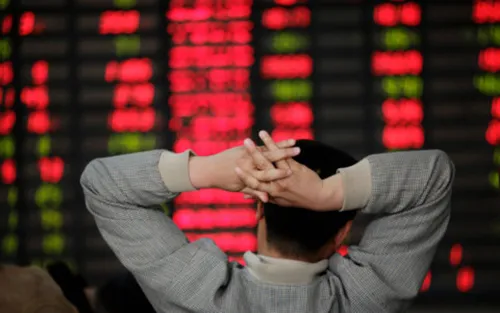
The escalation of tensions between the US and Iran has hammered stock markets, with Seoul and Tokyo taking the brunt of the selling, shedding as much as 6% and 5%, respectively. Hong Kong, Shanghai, Taipei, and Manila have also experienced significant losses, with oil prices edging up to around $112 for Brent and $100 for West Texas Intermediate.
South African Implications
The crisis is likely to have a significant impact on South Africa, with petrol prices expected to rise in the coming weeks. The country’s economy is heavily reliant on imported oil, and any disruption to global supplies could lead to increased costs for consumers.
Some of the key implications of the crisis include:
- A surge in inflation, which could lead to higher interest rates
- A decline in stock markets, which could impact investor confidence
- An increase in petrol prices, which could affect South African consumers
- A potential disruption to global food supplies, due to the choking off of fertiliser shipments
As the situation continues to unfold, it remains to be seen how the crisis will be resolved. However, one thing is certain – the implications will be far-reaching, and South Africans will likely feel the effects in the coming weeks and months.