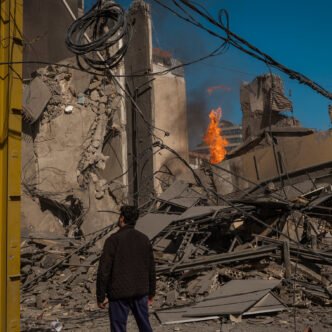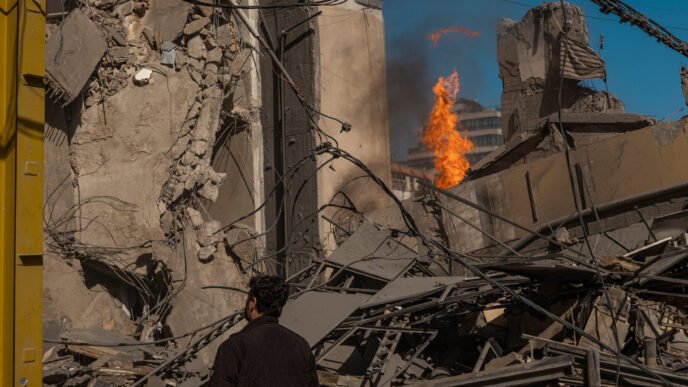

Nigerian President Bola Tinubu has taken swift action in response to the devastating suicide attacks that rocked Maiduguri on Monday, leaving at least 23 people dead and many more injured. Authorities suspect that Boko Haram militants are behind the attacks, which have sparked widespread concern and condemnation.
Nigeria’s Security Challenge
The attacks have highlighted the ongoing security challenges faced by Nigeria, particularly in the northeastern region where Boko Haram has been active for years. According to the United Nations, the conflict has displaced millions of people and caused widespread human suffering.
President Tinubu has ordered security chiefs to relocate to Maiduguri to oversee the response to the attacks and to develop a strategy to prevent future incidents. The move is seen as a significant escalation of Nigeria’s efforts to tackle the security threat posed by Boko Haram.
Regional Implications
The attacks have also raised concerns about the potential regional implications of the conflict. Nigeria is a key player in the regional economy and any instability in the country could have far-reaching consequences for neighboring states. As noted by the African Union, regional cooperation is essential in addressing the security challenges faced by Nigeria and other countries in the region.
Some of the key issues that need to be addressed in order to prevent future attacks include:
- Improving intelligence gathering and sharing
- Enhancing security cooperation between Nigeria and neighboring countries
- Addressing the root causes of the conflict, including poverty and inequality
As the situation in Nigeria continues to unfold, it remains to be seen how the country will respond to the challenges posed by Boko Haram. One thing is certain, however: the international community will be watching closely to see how President Tinubu and his government tackle this critical issue.