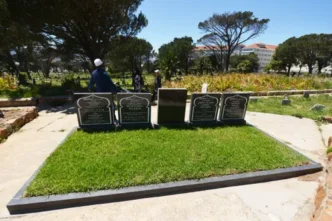
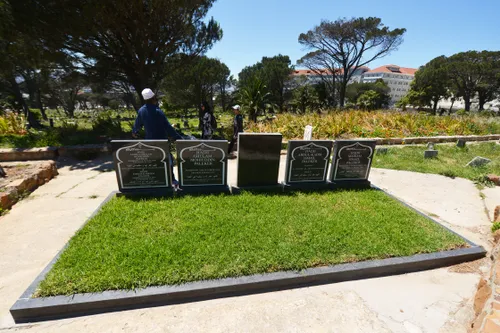
The Western Cape High Court has made a landmark ruling, protecting the historic Mowbray Muslim Cemetery from a proposed mortuary construction on its premises. Judge Gayaat Da Silva Salie issued a final interdict, halting any further plans to build a mortuary at the cemetery, which has been a communal religious institution for the Muslim community in Cape Town.
The cemetery, which has been in operation for over a century, is dedicated to the burial of Muslims in accordance with Islamic rites, including the ritual washing of the deceased (ghusl) and burial in a burial shroud known as “kafan”. The property is considered an endowment (waqf) and is managed by the Muslim Cemetery Board as custodians or mutawallis (trustees), entrusted with preserving the property and ensuring it is applied strictly in accordance with its dedicated purpose.
Mortuary Plan Rejected
The Muslim Cemetery Board had argued that the proposed mortuary was a logistical support measure for burial and not a change of purpose. However, Judge Da Silva Salie disagreed, stating that any deviation from the defined purpose of burial is inconsistent with the custodial role of the Board. The judge noted that while certain preparatory acts may be closely connected to burial, the concept of what is ‘ancillary’ cannot be extended without limit.
The Board had relied on an amended Constitution adopted in 2020, which they claimed gave them the authority to approve infrastructure improvements, including the mortuary. However, the judge found this contention problematic, as it would allow for an expansion of the cemetery’s purpose beyond its original intention.
Implications for the Muslim Community
The ruling has significant implications for the Muslim community in Cape Town, who have been using the cemetery for generations. The cemetery is not only a place of burial but also a site of great cultural and historical significance. The Muslim community had expressed concerns that the proposed mortuary would disrupt the peaceful and sacred nature of the cemetery.
According to the Waqf concept, the property is held in trust for the benefit of the Muslim community, and its management is subject to certain rules and restrictions. The judge’s ruling reinforces the importance of respecting these rules and ensuring that the cemetery is managed in a manner consistent with its original purpose.
In light of the ruling, the newly elected Muslim Cemetery Board will have to determine the future of the existing structure, ensuring that any use is consistent with the purpose of the cemetery as a burial place. This may involve exploring alternative solutions for mortuary services that do not compromise the integrity of the cemetery.
Some of the key considerations for the Board include:
- Ensuring that any development or improvement to the cemetery is consistent with its original purpose and does not compromise its sacred nature.
- Engaging with the Muslim community to understand their needs and concerns regarding the cemetery and its management.
- Exploring alternative solutions for mortuary services that do not require the construction of a mortuary on the cemetery premises.
The ruling is a significant victory for the Muslim community in Cape Town, who have been fighting to protect the integrity of the Mowbray Muslim Cemetery. It reinforces the importance of respecting the cultural and historical significance of such sites and ensuring that they are managed in a manner consistent with their original purpose.