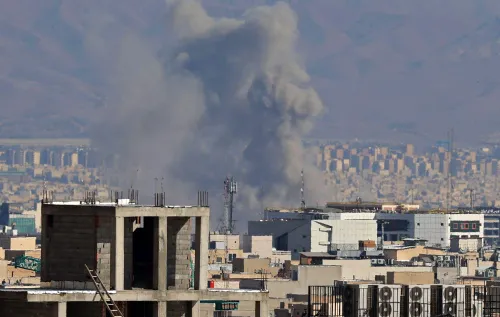
The ongoing conflict in the Middle East is affecting economies far beyond the region, and South African small and medium-sized enterprises (SMEs) are feeling the impact in tangible ways. While media attention often focuses on oil prices and international diplomacy, local SMEs face disruptions that threaten their operations, cash flow, and long-term growth.
In a country where SMEs account for 60% of employment, understanding these challenges and responding proactively is critical. One of the most immediate effects is on supply chains. Many South African SMEs rely on imported raw materials, components, or finished goods from the Middle East and surrounding regions. Delays at ports, increased shipping costs, and rising insurance premiums for international cargo all translate into higher production costs and slower delivery times.
Impact on Supply Chains and Market Demand
For businesses using tight inventory margins, such disruptions can stall production and undermine client relationships. Rising global commodity prices, especially for fuel and metals, further worsen the cost pressures faced by local SMEs. Market demand is another area of concern. Economic uncertainty tends to reduce consumer confidence, and South African households already under pressure from inflation may cut back on discretionary spending.
SMEs in sectors such as manufacturing, retail, and technology may see orders decline. Export-oriented businesses are also vulnerable. Any disruption in global trade routes or fluctuations in foreign exchange rates can make exports more expensive or less competitive. According to the Trade Law Centre, trade agreements and tariffs can significantly impact SMEs’ ability to compete in the global market.
Strategies for Resilience
Despite these challenges, South African SMEs can adopt strategies to increase resilience. Diversifying suppliers and sourcing from politically stable regions within Africa or locally can reduce reliance on conflict-affected areas. Businesses should also explore new markets for products and services to reduce dependence on traditional buyers. SMEs should focus on maintaining liquidity, renegotiating payment terms with suppliers, and exploring government-backed SME support programs.
- Diversify suppliers and sourcing
- Explore new markets for products and services
- Maintain liquidity and renegotiate payment terms
- Utilize government-backed SME support programs
Technology and digital tools are vital in navigating uncertainty. South African SMEs can use e-commerce, digital marketing, and remote work solutions to maintain operations even when supply chains are affected. Data analytics can help predict demand changes, manage inventory, and improve business processes, allowing SMEs to make more informed decisions in volatile times. The Statistics South Africa website provides valuable insights into the country’s economic trends and trade data.