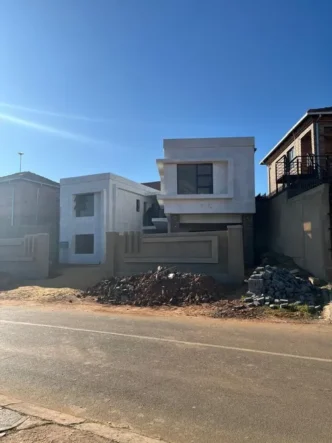
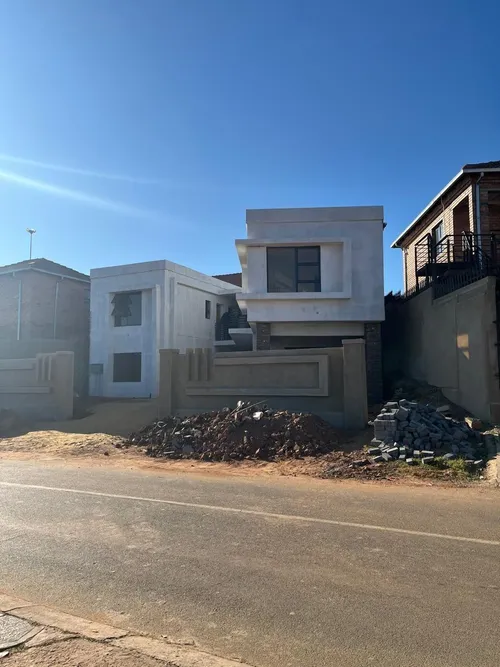
Micro-developers in the Western Cape remain the quiet heroes of housing delivery, turning backyards, small erven, and underused plots into homes for families and workers who cannot afford formal market prices, says Nomfundo Molemohi, the client coverage consultant at uMaStandi.
The interest rate pause is not the relief micro-developers were hoping for, but with disciplined financial management, smarter building practices, and stronger local support systems, the sector can continue to grow and deliver the kind of affordable housing the province desperately needs, according to Molemohi.
High Borrowing Costs Affect Project Feasibility
For small builders and micro-developers, high borrowing costs continue to squeeze project feasibility, says uMaStandi. The local financial institution that provides commercial mortgage finance and support specifically for property entrepreneurs in townships notes that some of the micro-developers build room-by-room, floor-by-floor, and interest rates directly shape whether these units can be completed on time and rented out at affordable prices.
The rate hold gives predictability, but it doesn’t remove the main barrier: the cost of debt still sits at the center of every decision a micro-developer makes, uMaStandi says. Homeowners and property businesses are under pressure, with the prime lending rate still at 10.25%, monthly repayments remain high, and this leaves very little space for reinvestment or new acquisitions in the Western Cape, something experts highlight as a growing concern for the broader property market.
Impact on Tenants and Landlords
Landlords with mortgages are likely to raise rents to cover repayment burdens and rising municipal and utility costs. Tenants, already carrying heavy cost-of-living pressures, may face renewed increases in an already competitive rental environment, Molemohi adds. However, one part of the market remains resilient: the micro-rental sector. With property prices elevated and interest rates still high, more people are turning toward affordable, well-located, small-format rental units as their best housing option, she says.
According to the South African National Census, the demand for affordable housing is on the rise. The micro-rental sector is growing because it delivers what the market needs: affordable, well-located housing options. Some of the key benefits of micro-rentals include:
- Affordability: Micro-rentals are often more affordable than traditional rental units.
- Location: Micro-rentals are often located in desirable areas, close to amenities and public transportation.
- Flexibility: Micro-rentals offer flexible lease options, which can be appealing to tenants who are looking for short-term or temporary housing solutions.
As the Western Cape continues to face a housing shortage, micro-developers play a crucial role in addressing this issue. With the right support and resources, they can continue to deliver affordable housing options to those who need them most.