As the highly anticipated Michael Jackson biopic approaches its April 2026 release, it’s an opportune time to reflect on the profound influence the King of Pop had on Black youth in Soweto during the last decade of apartheid. His music and image inspired a generation to reclaim their identity and express themselves through dance, fashion, and art.
The Power of Music
Michael Jackson’s albums, such as ‘Thriller’ and ‘Bad’, were a staple in many Soweto households, with hits like ‘Billie Jean’ and ‘Beat It’ becoming anthems for the youth. The global superstar was not only a talented musician but also a fashion icon, with his red leather jacket and single white glove becoming a symbol of coolness and rebellion.
The impact of Michael Jackson’s music on Soweto youth was not limited to entertainment; it also played a significant role in shaping their cultural identity. During a time when apartheid was still firmly in place, Michael Jackson’s music provided a sense of escapism and hope for a better future. His message of love, unity, and self-empowerment resonated deeply with the youth, who were struggling to find their place in a society that sought to suppress their identity.
Reclaiming Identity through Dance
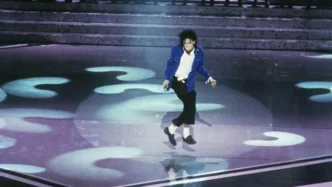
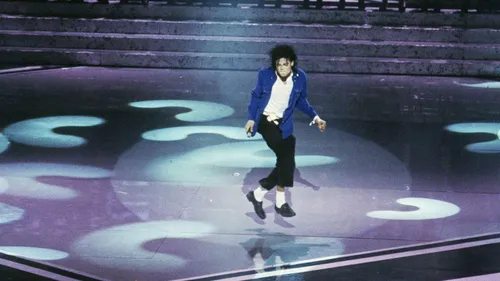
One of the most significant ways in which Michael Jackson’s influence was felt in Soweto was through dance. The moonwalk, a signature move popularized by Michael Jackson, became a staple in Soweto’s dance culture. Young people would spend hours practicing the move, perfecting their technique, and showcasing their skills at parties and gatherings. This phenomenon was not only a testament to Michael Jackson’s impact on popular culture but also a symbol of resistance against the oppressive apartheid regime.
According to a report by the South African History Online website, the 1980s were a time of great upheaval in Soweto, with widespread protests and unrest. However, despite the challenges they faced, the youth of Soweto found solace in Michael Jackson’s music and dance, using it as a means of expression and defiance.
Some of the key ways in which Michael Jackson’s influence was felt in Soweto include:
- Inspiring a generation of young people to pursue careers in music and dance
- Providing a platform for self-expression and creativity
- Shaping the cultural identity of Soweto’s youth
- Offering a sense of escapism and hope for a better future
In conclusion, Michael Jackson’s impact on Soweto youth during the 1980s was profound and far-reaching. His music and dance inspired a generation to reclaim their identity, express themselves, and resist the oppressive apartheid regime. As we approach the release of the Michael Jackson biopic, it’s essential to remember the significant role he played in shaping the cultural landscape of Soweto and beyond.