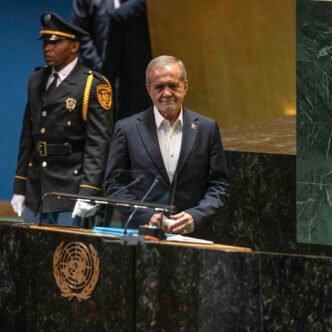
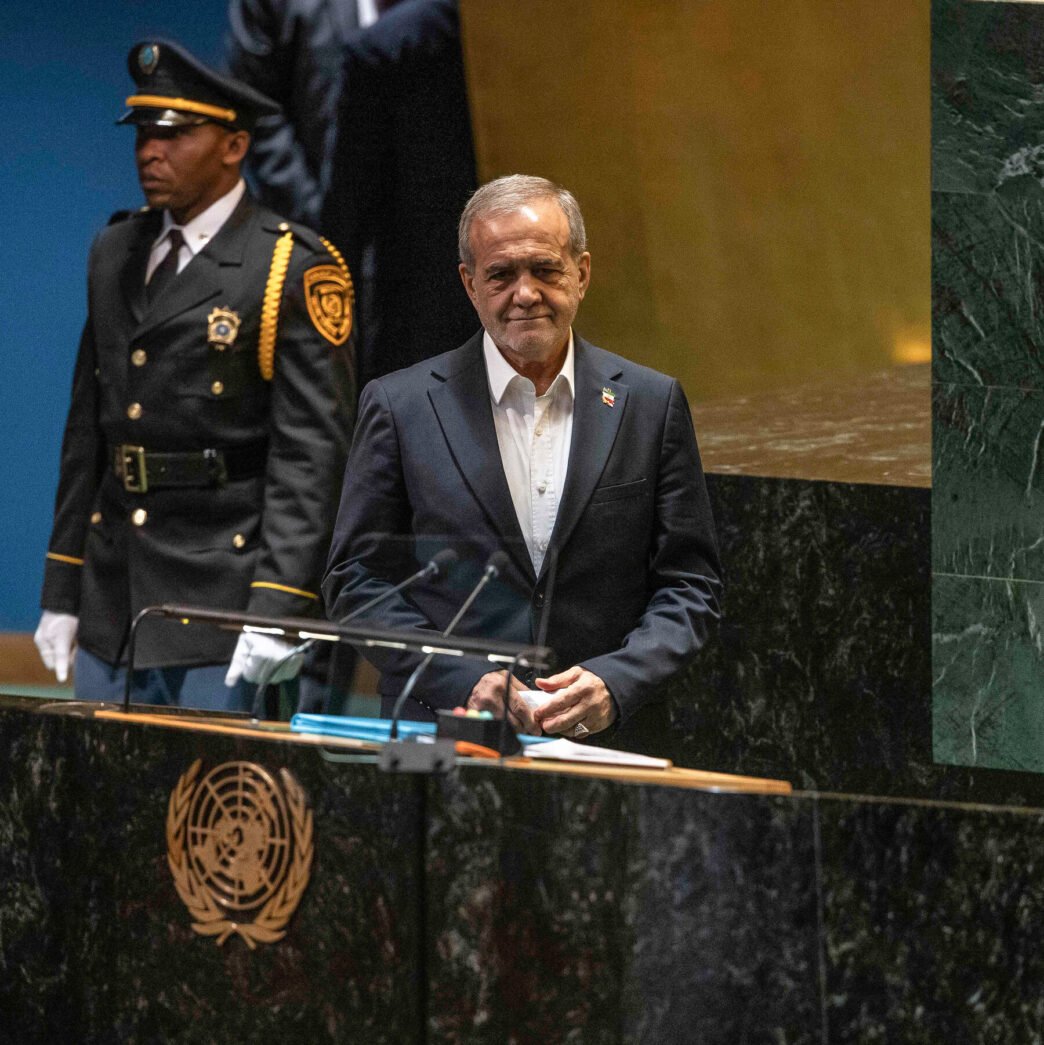
Iranian President Masoud Pezeshkian’s apology to neighboring Gulf states for Iranian strikes has sparked intense debate and highlighted deepening leadership rifts within the country. In a surprise move, Pezeshkian expressed regret for the attacks, only to backtrack later after facing criticism from other Iranian leaders.
Despite the apology, Iran has continued its attacks on Gulf states, leaving many to question the true intentions of the Iranian government. The situation has raised concerns about the stability of the region and the potential for further escalation.
Leadership Rifts Exposed
The apology and subsequent backtracking have exposed deep divisions within the Iranian leadership. The move has been seen as a sign of weakness by some, while others have praised Pezeshkian’s willingness to take a different approach. The incident has also highlighted the complex and often fraught relationships between Iran and its neighbors.
Regional Implications
The ongoing tensions between Iran and the Gulf states have significant implications for the region. The situation has the potential to draw in other countries, including the US and Israel, which could lead to further conflict. The BBC has reported on the growing concerns about the situation, citing experts who warn of a potential catastrophe.
Some of the key issues at play include:
- Iran’s continued development of nuclear capabilities
- The role of the US and Israel in the region
- The impact of the conflict on regional stability
As the situation continues to unfold, it remains to be seen how the Iranian leadership will navigate the complex web of relationships and alliances in the region. The Al Jazeera has reported on the growing tensions between the US, Iran, and Israel, citing concerns about a potential war.
The incident has also raised questions about the effectiveness of diplomatic efforts to resolve the conflict. With the situation showing no signs of improving, it remains to be seen what the future holds for the region.