Iran has accused the United States of bombing a desalination plant on Qeshm Island, exacerbating the country’s severe water shortage. The attack is the latest escalation in the ongoing conflict between Iran and the US, with potentially devastating consequences for the region.
The desalination plant, which provides fresh water to thousands of people, is now out of operation, leaving residents without access to clean drinking water. The Iranian government has condemned the attack, calling it a ‘war crime’ and a ‘clear violation of international law’.
Iran’s Water Crisis
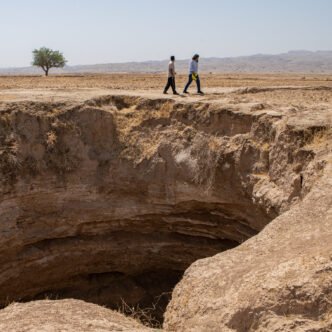
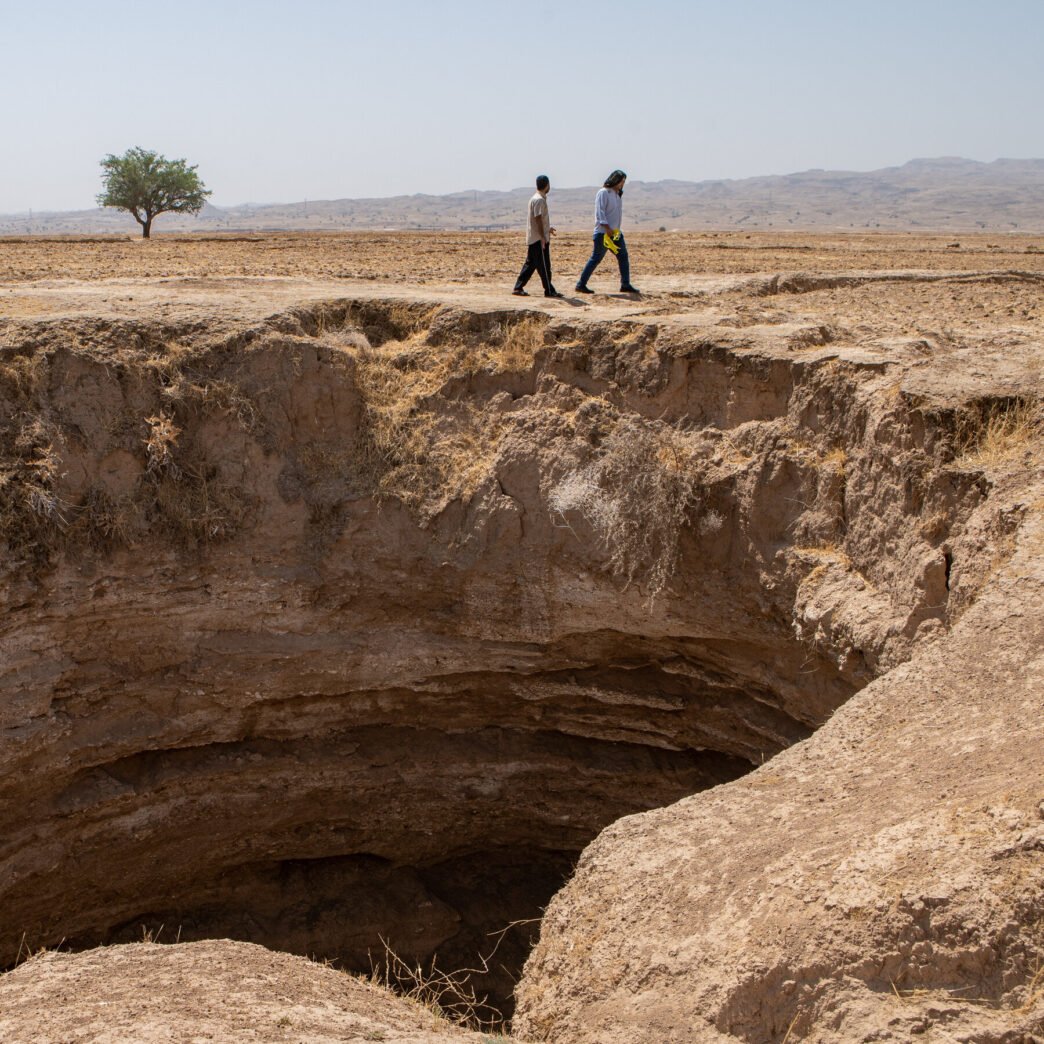
Iran has been facing a severe water shortage for years, with droughts, mismanagement, and aging infrastructure all contributing to the crisis. The country’s water shortage has been exacerbated by climate change, with temperatures rising and precipitation decreasing. According to the United Nations Children’s Fund, millions of people in Iran lack access to safe drinking water.
Causes of the Crisis
The causes of Iran’s water crisis are complex and multifaceted. Some of the key factors include:
- Drought: Iran has experienced several severe droughts in recent years, reducing the amount of water available for drinking, agriculture, and industry.
- Mismanagement: The Iranian government has been criticized for its handling of the water crisis, with many arguing that more needs to be done to conserve water and reduce waste.
- Aging infrastructure: Much of Iran’s water infrastructure is old and in need of repair, leading to significant losses of water through leakage and evaporation.
The US bombing of the desalination plant on Qeshm Island has made a bad situation worse, and the Iranian government is calling for international condemnation of the attack. As the situation continues to unfold, it remains to be seen what the long-term consequences will be for the people of Iran and the wider region.