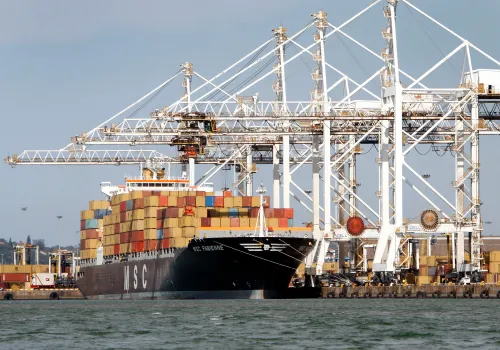
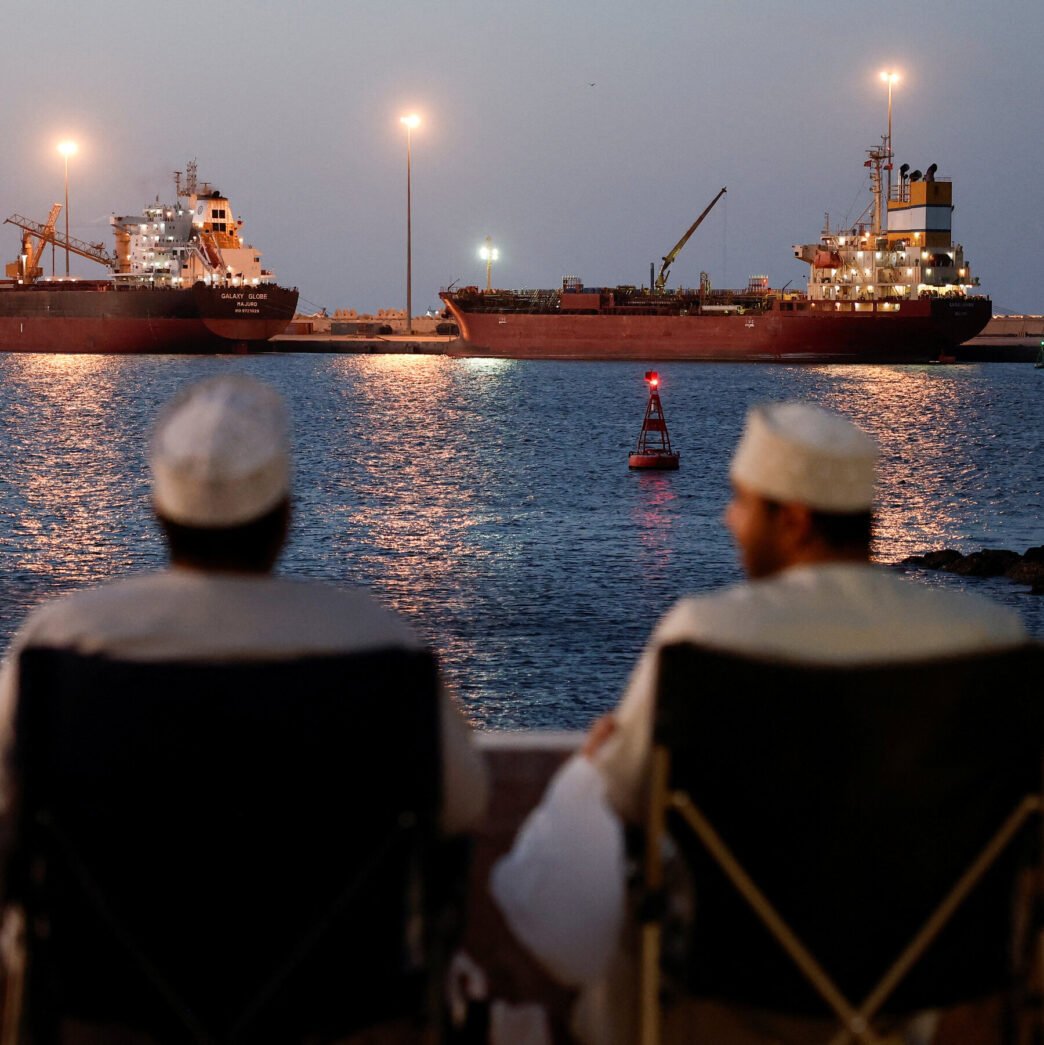
The ongoing conflict between the US and Iran has sparked concerns over global oil prices, with a potential 5% increase on the horizon. This escalation could have significant implications for South African petrol prices, as the country relies heavily on imported oil. According to the Department of Mineral Resources and Energy, South Africa imports approximately 70% of its oil, making it vulnerable to fluctuations in the global market.
Oil Price Volatility
The recent tensions in the Middle East have led to a surge in oil prices, with Brent crude oil rising to over $70 per barrel. This increase is expected to have a ripple effect on the global economy, with South Africa being no exception. The South African Reserve Bank has warned that the country’s economy is likely to be impacted by the rising oil prices, which could lead to higher inflation and reduced economic growth.
Possible Solutions
To mitigate the effects of the oil price increase, the South African government may consider implementing measures such as increasing fuel efficiency standards, promoting the use of alternative energy sources, and providing support to low-income households. Some possible solutions include:
- Implementing a fuel price stabilisation fund to reduce the impact of price volatility
- Investing in renewable energy sources, such as solar and wind power, to reduce dependence on imported oil
- Improving public transport infrastructure to reduce the number of private vehicles on the road
As the situation continues to unfold, it is essential for South Africans to stay informed about the potential impact of the Iran war on the country’s economy and petrol prices. With the global oil market being highly volatile, it is crucial to monitor developments closely and be prepared for any eventuality.