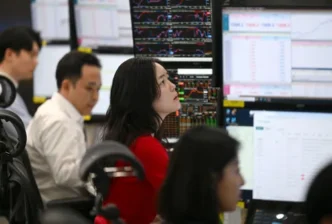

Stocks fell sharply on Monday as Donald Trump issued a 48-hour ultimatum to Iran amid escalating tensions over the Strait of Hormuz, raising fears of a prolonged conflict that could lead to a global energy crisis. The Strait of Hormuz, which is a critical waterway for international oil trade, has been at the center of the escalating tensions between the US and Iran, with the US Department of State closely monitoring the situation.
Impact on Global Oil Prices
The global oil prices have jumped 5% after the Trump administration issued the ultimatum, with Brent crude oil prices rising to $65 per barrel. This increase in oil prices is expected to have a significant impact on the global economy, particularly on countries that rely heavily on oil imports, such as South Africa. According to the South African Department of Energy, the country imports approximately 70% of its oil, making it vulnerable to fluctuations in global oil prices.
What It Means for South Africans
The increase in global oil prices is expected to lead to an increase in petrol prices in South Africa, which could have a significant impact on the country’s economy. Here are some of the possible effects of the increase in oil prices:
- Increase in petrol prices, which could lead to higher transportation costs and increased food prices
- Decrease in economic growth, as higher oil prices could lead to reduced consumer spending and investment
- Increase in inflation, as higher oil prices could lead to higher production costs and increased prices for goods and services
The South African government has been working to reduce the country’s dependence on oil imports, with a focus on renewable energy sources and energy efficiency. However, the country still has a long way to go in reducing its reliance on oil, and the current tensions in the Middle East have highlighted the need for urgent action to address this issue.