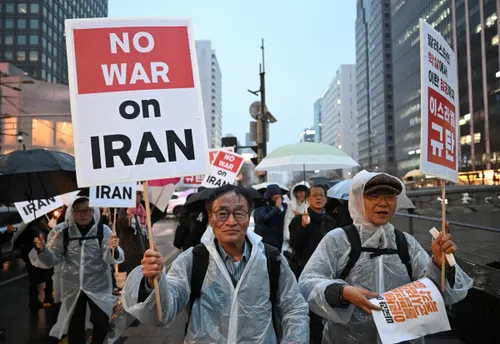
South African investors and motorists are bracing themselves for a potential economic fallout after US President Donald Trump and Iranian leaders traded threats over the key Strait of Hormuz, causing global oil prices to jump 5% and the Johannesburg Stock Exchange (JSE) to take a significant hit.
The escalation of tensions in the Middle East has sparked fears of a disruption to global oil supplies, with International Energy Agency warning of a potential shortage. This has led to a surge in oil prices, which could have a devastating impact on South Africa’s already struggling economy.
Impact on SA Petrol Prices
With South Africa being a net importer of oil, the increase in global oil prices is likely to be passed on to consumers, resulting in higher petrol prices. This could have far-reaching consequences for the economy, including higher transportation costs and increased food prices.
According to the South African National Treasury, every 10% increase in oil prices results in a 1.5% increase in the consumer price index. This means that the 5% jump in oil prices could lead to a significant increase in the cost of living for South Africans.
What It Means for South African Investors
The JSE has already taken a significant hit, with the Top 40 index falling by over 2% on Monday. This could be just the beginning, as investors become increasingly nervous about the potential for further escalation in the Middle East.
Some of the key concerns for investors include:
- Potential disruption to global supply chains
- Increase in oil prices, leading to higher production costs
- Decrease in consumer spending, leading to lower demand for goods and services
As the situation continues to unfold, it remains to be seen how South Africa will be affected. One thing is certain, however: the country’s economy is highly vulnerable to external shocks, and the current tensions in the Middle East have the potential to cause significant damage.