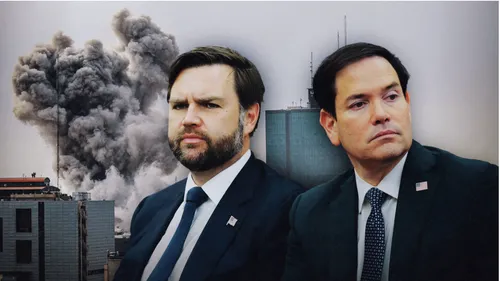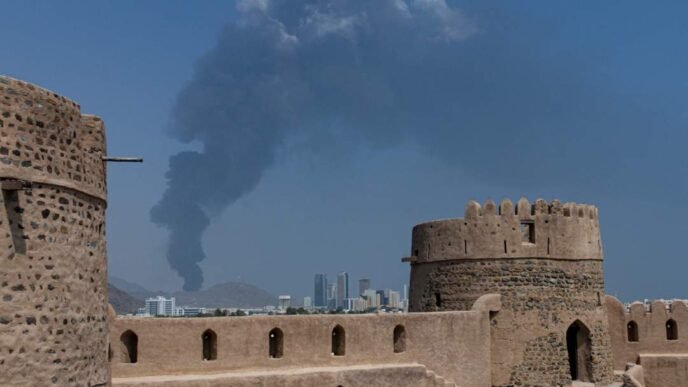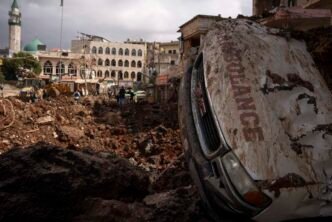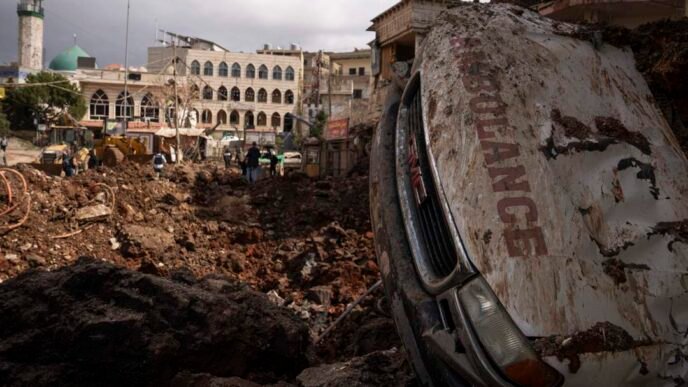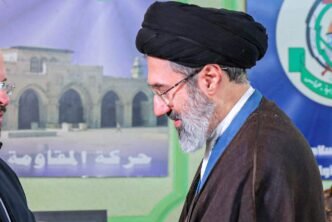
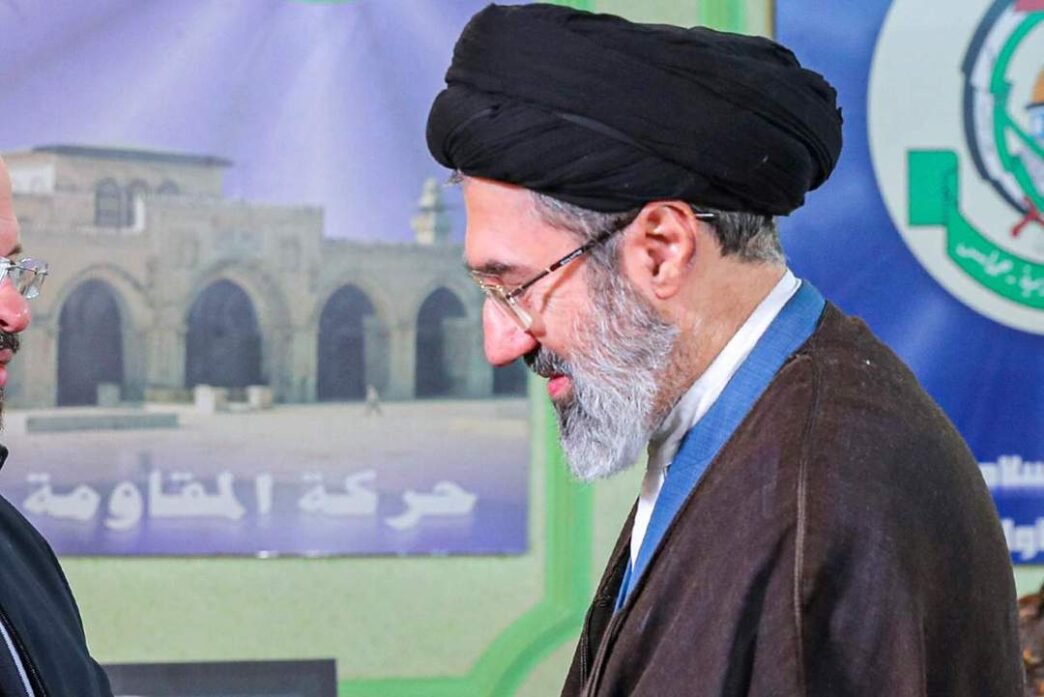
Iran has named Mojtaba Khamenei to succeed his father, Ali Khamenei, as supreme leader, in a move that signals the continued dominance of hardliners in the country. This development comes as the US-Israeli war with Iran enters its second week, causing oil prices to surge above $100 a barrel.
The implications of this escalation are far-reaching, with the potential to impact global oil prices and, by extension, the cost of petrol in South Africa. As the situation continues to unfold, many are left wondering how this will affect the already strained economy.
Iran’s New Supreme Leader
Mojtaba Khamenei’s ascension to the position of supreme leader marks a significant shift in the country’s power dynamics. With his father, Ali Khamenei, having held the position for over three decades, the transition is seen as a way to maintain continuity and stability within the regime.
According to the US Department of State, Iran’s supreme leader is the highest-ranking official in the country, responsible for appointing key officials and overseeing the implementation of policies. As such, Mojtaba Khamenei’s leadership style and vision for the country will be closely watched by the international community.
Global Implications
The US-Israeli war with Iran has already had a significant impact on global oil prices, with prices rising by over 10% in the past week. This increase is likely to have a ripple effect on the global economy, with many countries, including South Africa, feeling the pinch.
Some of the key factors that will influence the impact of the Iran-US conflict on South Africa include:
- Oil prices: As the conflict escalates, oil prices are likely to continue rising, which could lead to an increase in the cost of petrol and other petroleum products in South Africa.
- Trade relationships: South Africa’s trade relationships with Iran and other countries in the region could be affected by the conflict, potentially disrupting the supply of goods and services.
- Regional stability: The conflict has the potential to destabilize the region, which could have far-reaching implications for South Africa’s foreign policy and national security.
As the situation continues to unfold, it is essential for South Africans to stay informed about the developments and their potential impact on the country. By understanding the complexities of the conflict and its global implications, we can better navigate the challenges that lie ahead.