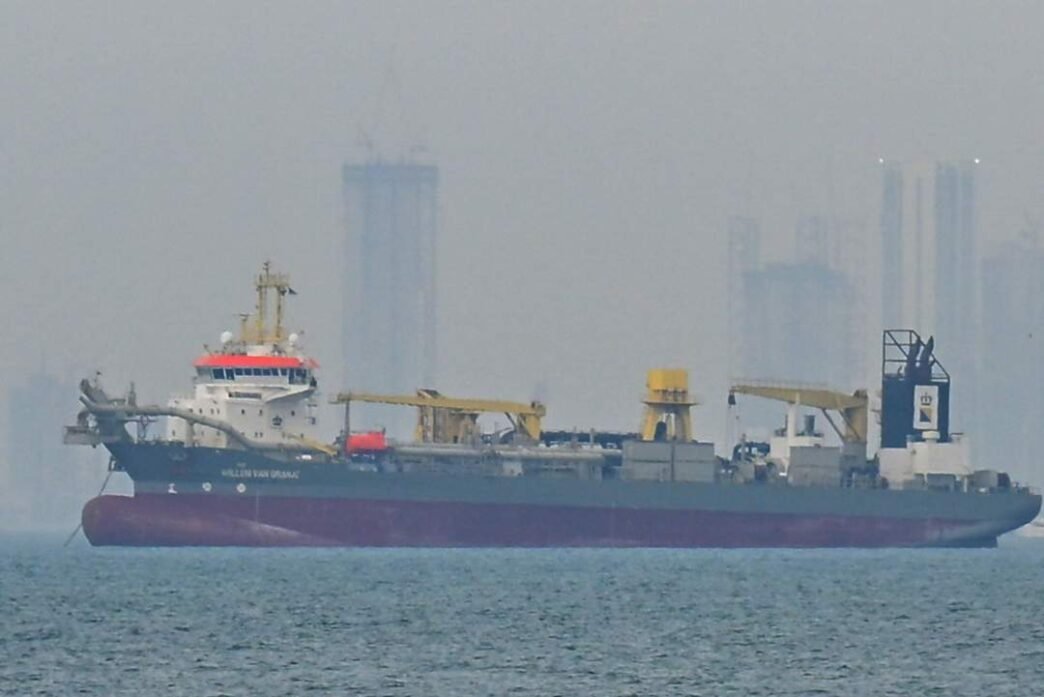
A container ship was hit off the coast of the United Arab Emirates by an unidentified projectile, a British maritime security agency reported, as Iran retaliates across the Gulf in response to US-Israeli strikes. This escalation has led to a 10% rise in global oil prices, which is expected to impact South African petrol prices in the coming weeks.
Strait of Hormuz: A Critical Oil Route
The Strait of Hormuz is a critical oil route, with over 20% of the world’s oil passing through it. Any disruption to this route can have significant consequences for the global economy. As Iran continues to retaliate against US-Israeli strikes, the risk of further disruption to oil supplies remains high.
South Africans can expect to feel the pain of higher petrol prices, which will have a ripple effect on the economy. The price of fuel is a key component of the cost of living, and any increase will affect not only motorists but also businesses and consumers.
Possible Consequences for South Africa
The possible consequences of this escalation for South Africa are far-reaching. Some of the potential impacts include:
- Highest petrol price in history: If the oil price continues to rise, South Africa could see the highest petrol price in history, which will have a devastating impact on the economy.
- Increased food prices: The cost of transporting food and other essential items will increase, leading to higher prices for consumers.
- Reduced economic growth: The higher cost of fuel and other essential items will reduce consumer spending power, leading to reduced economic growth.
As the situation continues to unfold, South Africans can expect to see significant changes in the economy. The government will need to take steps to mitigate the impact of higher oil prices and ensure that the economy remains stable.
For more information on the impact of oil prices on the economy, visit the South African Reserve Bank website.