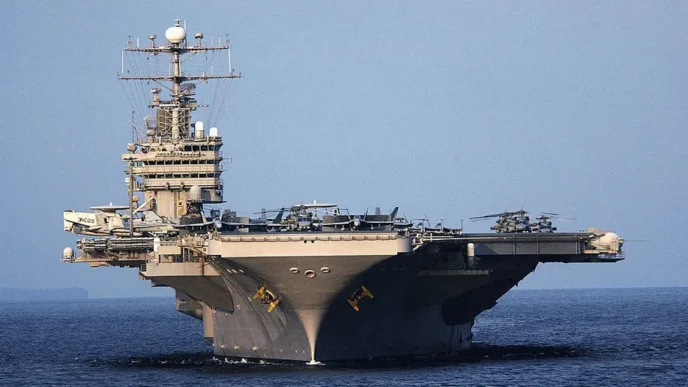
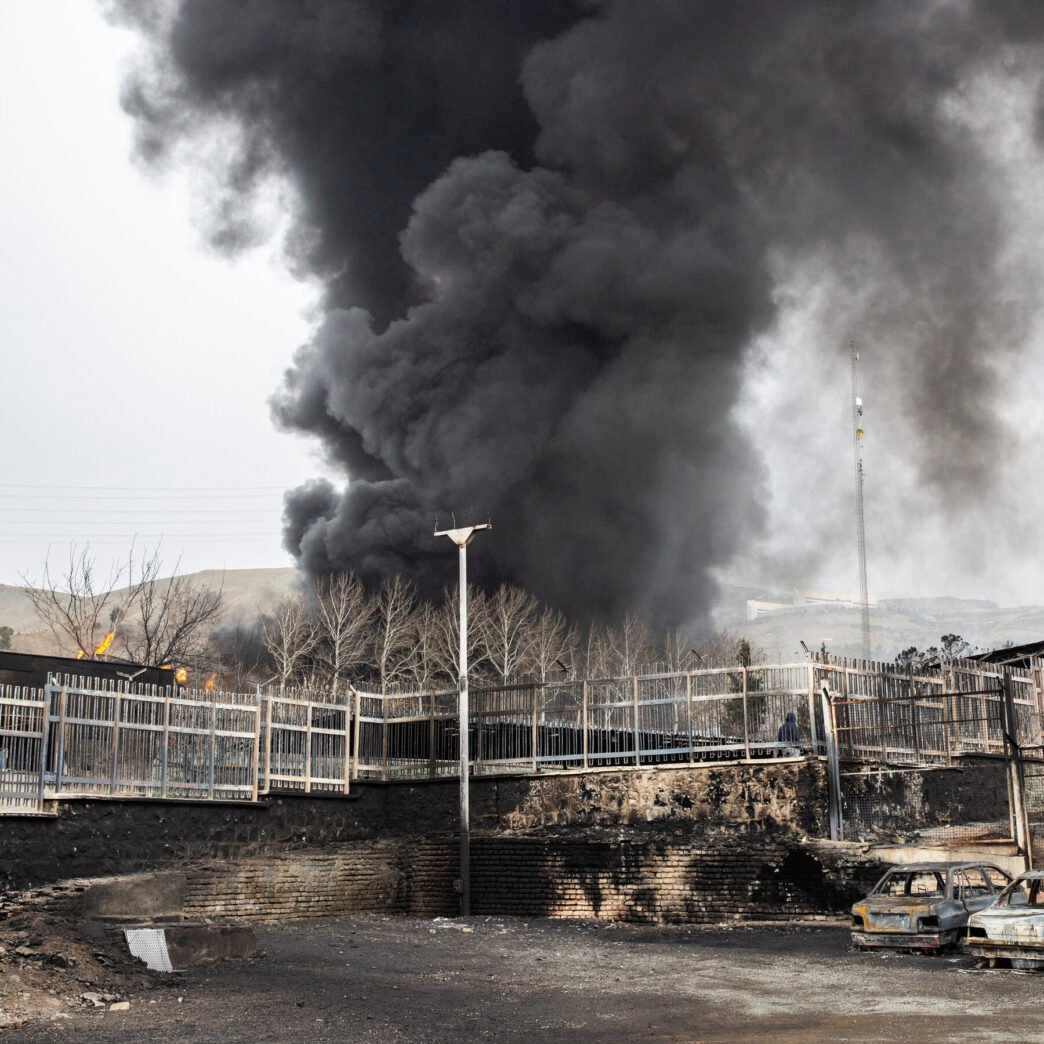
The recent US and Israeli attacks on Iran’s power plants and other civilian infrastructure have raised concerns about the escalating conflict in the region, with many Iranians opposing the government’s actions. The attacks have resulted in a significant 30% cut in Iran’s power supply, affecting many households and businesses.
According to reports, the US and Israel have been targeting Iran’s energy infrastructure, including power plants and oil refineries, in an effort to weaken the country’s economy. This has led to widespread power outages and disruptions to essential services, causing anger and frustration among the Iranian population.
Impact on the Region
The conflict between the US, Israel, and Iran has far-reaching implications for the region, with many countries, including South Africa, likely to feel the effects. The price of oil has already increased by 5% due to the escalation, which could lead to higher petrol prices in South Africa. As the Department of Mineral Resources and Energy in South Africa works to ensure a stable energy supply, the situation in Iran is being closely monitored.
The attacks on Iran’s infrastructure have also raised concerns about the potential for a wider conflict in the region. With many countries having interests in the region, the situation is complex and delicate. The United Nations has called for calm and restraint, urging all parties to engage in diplomatic efforts to resolve the conflict peacefully.
What It Means for South Africans
For South Africans, the conflict in Iran and the resulting energy crisis have significant implications. With the potential for higher petrol prices, many households and businesses may need to adjust their budgets accordingly. Additionally, the conflict may also affect the price of other essential goods and services, such as food and transportation.
To mitigate the effects of the crisis, the South African government may need to consider measures such as increasing the supply of alternative energy sources, improving energy efficiency, and providing support to low-income households. A list of potential measures includes:
- Increasing the use of renewable energy sources, such as solar and wind power
- Improving energy efficiency in buildings and industries
- Providing financial support to low-income households affected by the crisis
As the situation in Iran continues to unfold, South Africans will be watching closely to see how the conflict affects the region and the country’s energy supply.