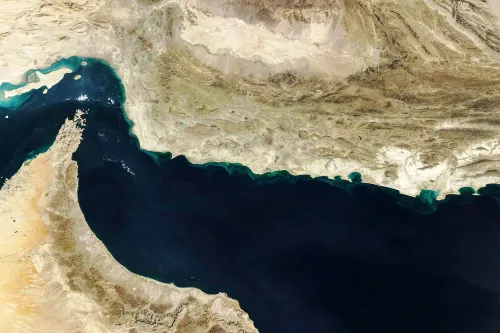
Iran’s Revolutionary Guards have turned back three ships from the Strait of Hormuz, claiming the route is closed to vessels linked to their ‘enemies.’ This decision raises concerns about shipping stability in a vital corridor for global oil supplies, with potential International Energy Agency intervention to mitigate the impact on the global market.
The Strait of Hormuz is a critical waterway, with approximately 20% of the world’s oil passing through it every day. Any disruption to shipping in this region could have significant consequences for the global economy, including a potential 10% rise in oil prices, which would be felt in South Africa as well.
Impact on Global Oil Prices
The current situation in the Strait of Hormuz has already led to a rise in global oil prices, with some analysts predicting a further increase if the situation escalates. This could have a significant impact on the South African economy, particularly in terms of petrol prices, which are already under pressure due to other factors.
Possible Consequences for South Africa
The potential consequences of the current situation in the Strait of Hormuz for South Africa are significant. Some of the possible effects include:
- A rise in petrol prices, which would affect consumers and businesses across the country
- An increase in the cost of goods and services, as higher oil prices feed through to the economy
- A potential slowdown in economic growth, as higher oil prices reduce consumer and business spending
As the situation in the Strait of Hormuz continues to unfold, it is likely that the South African government and other stakeholders will be closely monitoring developments and assessing the potential impact on the country’s economy.