In a world caught in a whirlwind of geopolitical strife and soaring inflation, financial markets are facing unprecedented challenges. The focus keyword is inflation, and it’s a term that’s becoming increasingly familiar to investors and consumers alike, as inflation fears escalate and impact global economies. According to the International Monetary Fund, the current inflationary trend is being driven by a combination of factors, including supply chain disruptions and rising energy costs.
Inflation Impact on Investments
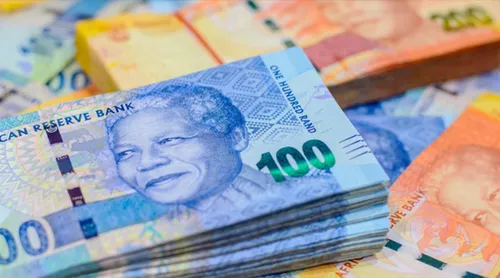
For investors, the impact of inflation can be significant, as it erodes the purchasing power of their investments and reduces their overall returns. As inflation rises, the value of money decreases, making it more difficult for investors to achieve their long-term financial goals. In order to mitigate this risk, many investors are turning to alternative assets, such as precious metals and cryptocurrencies, which have historically performed well during periods of high inflation.
Factors Driving Inflation
So, what’s driving this current wave of inflation? There are several factors at play, including:
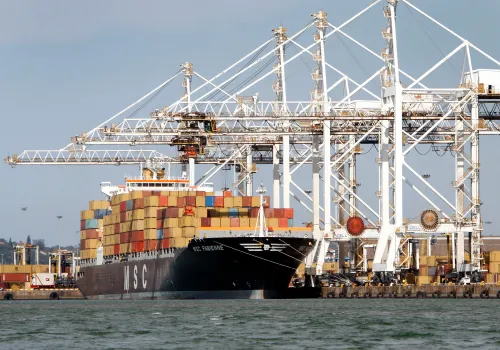
- Supply chain disruptions, which have led to shortages and price increases for a range of goods
- Rising energy costs, which have increased the cost of production and transportation
- Geopolitical tensions, which have led to trade disruptions and increased uncertainty
These factors, combined with a global economic recovery that’s gaining momentum, have created a perfect storm of inflationary pressure, according to the World Bank.
As investors navigate this complex and rapidly changing landscape, it’s essential to stay informed and up-to-date on the latest developments. By understanding the factors driving inflation and taking steps to mitigate its impact, investors can help protect their investments and achieve their long-term financial goals.