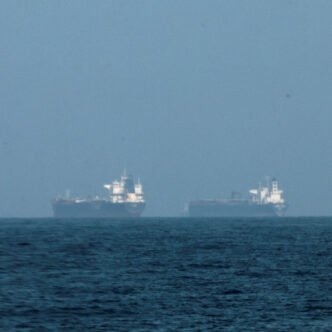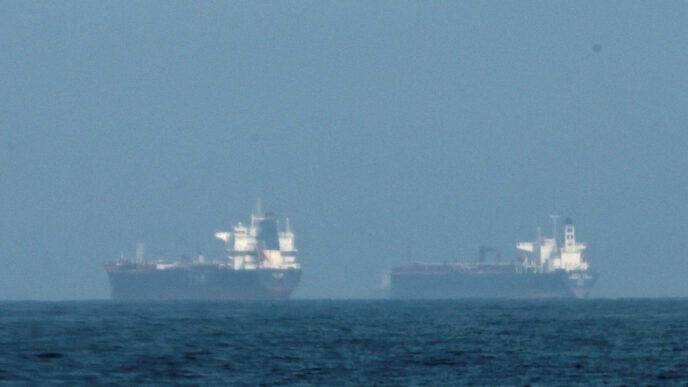
The US has been facing numerous challenges in the Strait of Hormuz, despite its military superiority. The focus keyword here is ‘Hormuz Strait’, which will be used throughout this article to emphasize its importance. The Strait of Hormuz is a critical waterway that connects the Persian Gulf to the Gulf of Oman and the Arabian Sea, making it a vital shipping lane for international trade.
Hormuz Strait Military Presence
The US has maintained a significant military presence in the region, with its Fifth Fleet headquartered in Bahrain. However, Iran’s Revolutionary Guard navy has proven to be a more nimble force, capable of launching surprise attacks on US and allied ships. This has led to increased tensions in the region, with the US and its allies struggling to counter Iran’s asymmetric warfare tactics.
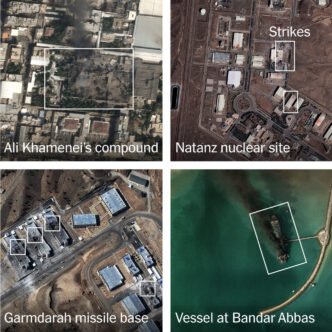
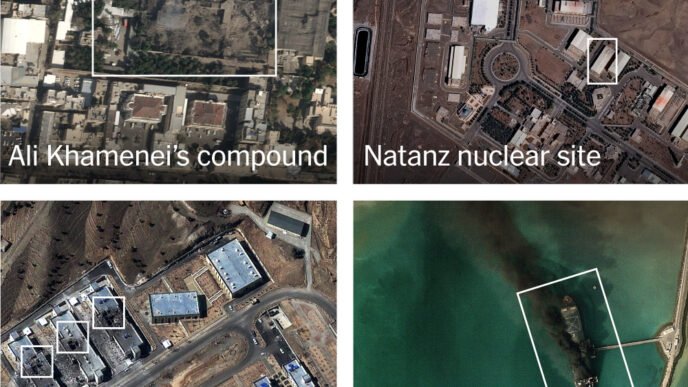
Recent US strikes have targeted Iran’s large ships and bases, but the Revolutionary Guard navy has shown remarkable resilience. The US has also been working to build a coalition of regional allies to counter Iran’s influence, but this effort has been hindered by the complexities of regional politics. For more information on the US military presence in the region, visit the US Department of Defense website.
Key Challenges in the Hormuz Strait
There are several key challenges that the US faces in the Hormuz Strait, including:
- Mine warfare: Iran has been known to use naval mines to attack ships in the Strait, which can be difficult to detect and clear.
- Asymmetric warfare: Iran’s Revolutionary Guard navy has developed a range of tactics to counter the US military’s conventional superiority, including the use of small boats and anti-ship missiles.
- Regional politics: The US must navigate a complex web of regional alliances and rivalries to build a coalition to counter Iran’s influence.
Despite these challenges, the US remains committed to maintaining a strong military presence in the region. For more information on the regional politics of the Middle East, visit the Brookings Institution website.