South Africa’s telecommunications heavyweights aren’t taking the latest government price hike lying down. In a bold legal move, the industry has dragged the Department of Home Affairs (DHA) to court, labeling a massive increase in identity verification fees as a threat to national digital inclusion and a “tax on the vulnerable.”
The lawsuit, spearheaded by the Association of Communications and Technology (ACT)—which represents the likes of MTN, Vodacom, Telkom, and Cell C—seeks to overturn the new regulations that saw fees jump from a mere 15 cents to a staggering R10 per real-time check.
The 6,500% “Price Shock”
The drama began on July 1, 2025, when Home Affairs Minister Leon Schreiber implemented a new pricing structure for the Online Verification System (OVS). This system is the backbone of South Africa’s security, allowing banks and telcos to verify ID documents against the National Population Register (NPR) to prevent fraud and comply with RICA and FICA laws.
The core of the dispute:
- The Massive Hike: Real-time ID checks surged from R0.15 to R10.
- The “Batch” Alternative: While the department introduced a R1 “off-peak batch” option, telcos argue this is useless for real-time customer onboarding.
- The Cost of Compliance: For a company like TymeBank or Vodacom, onboarding a million new low-income customers suddenly costs R10 million in fees alone, making it financially unviable to serve the poor.
The Industry’s Argument: “Unjustified and Irresponsible”
The ACT’s court application, served on January 13, 2026, claims that the department failed to properly consult with stakeholders before dropping this financial bombshell.
“This huge increase will make it far more expensive for network operators, banks, and other companies to verify their customers’ identities. It is unjustified, disproportionate, and not rationally connected to the stated objectives,” the ACT stated.
Lunga Siyo, Telkom’s Consumer CEO, previously warned that these costs won’t just hit the companies—they will inevitably trickle down to the consumer, potentially driving up the price of data and airtime.
Home Affairs Hits Back: “End the Subsidies”
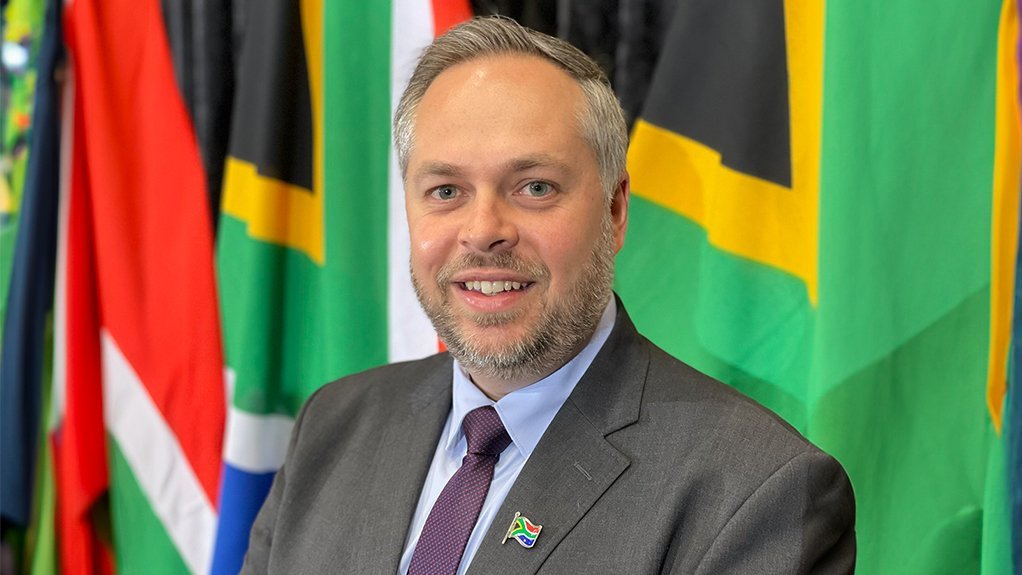
Minister Schreiber has remained defiant, framing the price hike as a “matter of national security.” The department argues that for over a decade, private companies—many worth billions—have been effectively subsidized by taxpayers.
The Department’s Stance:
- System Abuse: Low prices led to “system abuse” and excessive pings that crashed Home Affairs’ servers (the infamous “System Offline”).
- Necessary Upgrades: The extra revenue is being used to modernize the NPR and reduce verification failure rates from 50% to under 1%.
- The “Unicorn” Jab: Schreiber famously hit back on social media, questioning why “unicorns” worth billions are demanding that struggling taxpayers subsidize their verification costs.
The Bold Truth
As a no-nonsense investigator, I have to ask: who really pays in this “battle of the billionaires”? If the telcos win, the state loses the funds to fix its broken systems. If the state wins, every South African trying to open a bank account or get a SIM card will likely see those costs reflected in their bank fees or data bundles.
This court case is a litmus test for South Africa’s digital future. Are we building a modern, secure state, or are we just creating another barrier to entry for the millions of South Africans still waiting to join the digital economy?