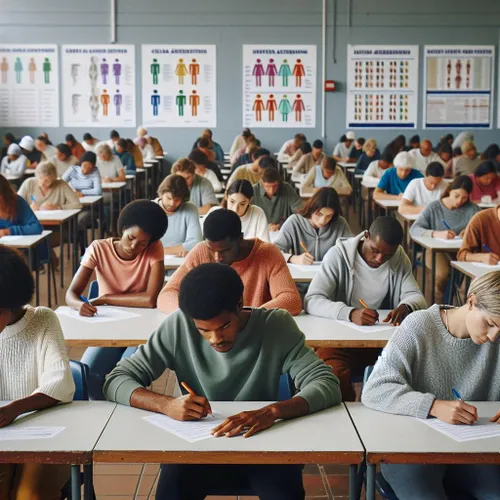
As the world becomes increasingly interconnected, education systems in other countries are evolving to reflect this shift, integrating technology, practical skills, and environmental awareness into curricula. China, for instance, has made significant strides in this regard, with a strong focus on STEM education and vocational training.
South Africa, on the other hand, still lags behind in terms of adapting its education system to the changing needs of the global village. According to a report by the Department of Basic Education, the country’s education system faces numerous challenges, including inadequate infrastructure, a shortage of skilled teachers, and a lack of resources.
Integrating Technology into Education
One of the key lessons that South Africa can learn from other countries is the importance of integrating technology into education. This can be achieved through the use of digital tools, online resources, and innovative teaching methods. For example, countries like Finland and Singapore have successfully implemented blended learning models, which combine traditional teaching methods with online learning.
Practical Skills and Environmental Awareness
In addition to technology integration, South Africa can also learn from other countries’ emphasis on practical skills and environmental awareness. This can be achieved through the inclusion of subjects like coding, robotics, and environmental science in the curriculum. Furthermore, schools can also incorporate hands-on learning experiences, such as project-based learning and community service, to help students develop essential skills like critical thinking, problem-solving, and collaboration.
Some of the key benefits of this approach include:
- Improved academic performance
- Increased student engagement and motivation
- Enhanced career prospects and employability
- Better equipped to address global challenges like climate change and sustainable development
By adopting a more holistic and forward-thinking approach to education, South Africa can better equip its students to succeed in an increasingly complex and interconnected world.