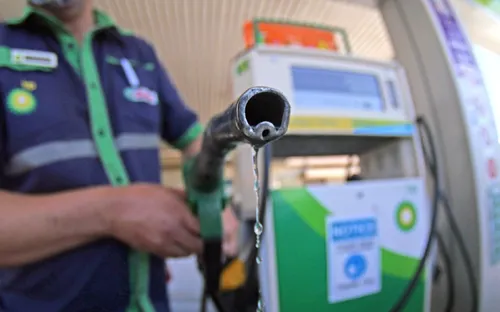
As South Africans prepare for the Easter season festivities, they are bracing for a calculated financial onslaught. The predicted fuel price hikes — R5 per litre for petrol and a staggering R10 for diesel — are not merely statistical fluctuations; they are the harbingers of a deepening domestic crisis. This economic trauma is the direct and avoidable result of the reckless military aggression being pursued by the United States and Israel against Iran, as explained on the US Department of State website.
Fuel Price Impact on SA Consumers
The consequences will be most devastating for those at the margins of our society. For the millions of workers reliant on taxis and buses, transport already consumes a disproportionate share of monthly earnings. As fares inevitably rise to accommodate the diesel surge, these citizens face the cruel choice between mobility and basic sustenance. It is a social catastrophe in the making, as our vulnerable working class is effectively taxed for a conflict they did not start and cannot influence.
Beyond the petrol pump, the “triple price shock” of fuel, carbon taxes, and Eskom’s tariff hikes will affect every level of the supply chain. As experts warn, the diesel spike will hammer agricultural operations, raising the cost of everything from tractor fuel to fertiliser. This will inevitably bleed into food prices, again hitting the poorest hardest. With the South African Reserve Bank keeping interest rates high to combat this imported inflation, the reality is stark: South Africans are becoming poorer in real terms.
Mitigating the Effects
While the Cabinet’s new committee seeks to mitigate these headwinds, the fundamental truth remains that we are hostages to foreign belligerence. We are entering a period of profound austerity where “affordability” is fast becoming a relic of the past. Some of the measures that can be taken to reduce the impact of fuel price hikes include:
- Improving fuel efficiency
- Investing in renewable energy sources
- Implementing measures to reduce carbon emissions, as outlined on the Department of Environment, Forestry and Fisheries website
As the situation continues to unfold, it is essential for South Africans to stay informed and take proactive steps to mitigate the effects of the fuel price hikes.